2026-09-15 17:27:41
Buyers should evaluate a folding prefabricated house manufacturer by the exact configuration offered and the evidence supporting transport, deployment and final use—not by the words “folding house” alone. A comparable RFQ must define application, expanded and transport condition, structural and envelope scope, interior package, utilities, site resources, approval evidence, and the division of responsibility after arrival. The decision path is product identity → quoted configuration → folded delivery → site opening and connection → functional inspection → acceptance. If a supplier cannot link its quotation, drawings, packing plan and installation documents to the same configuration, the buyer still does not have a controlled offer.
Why Does Product Identity Come Before Supplier Comparison?
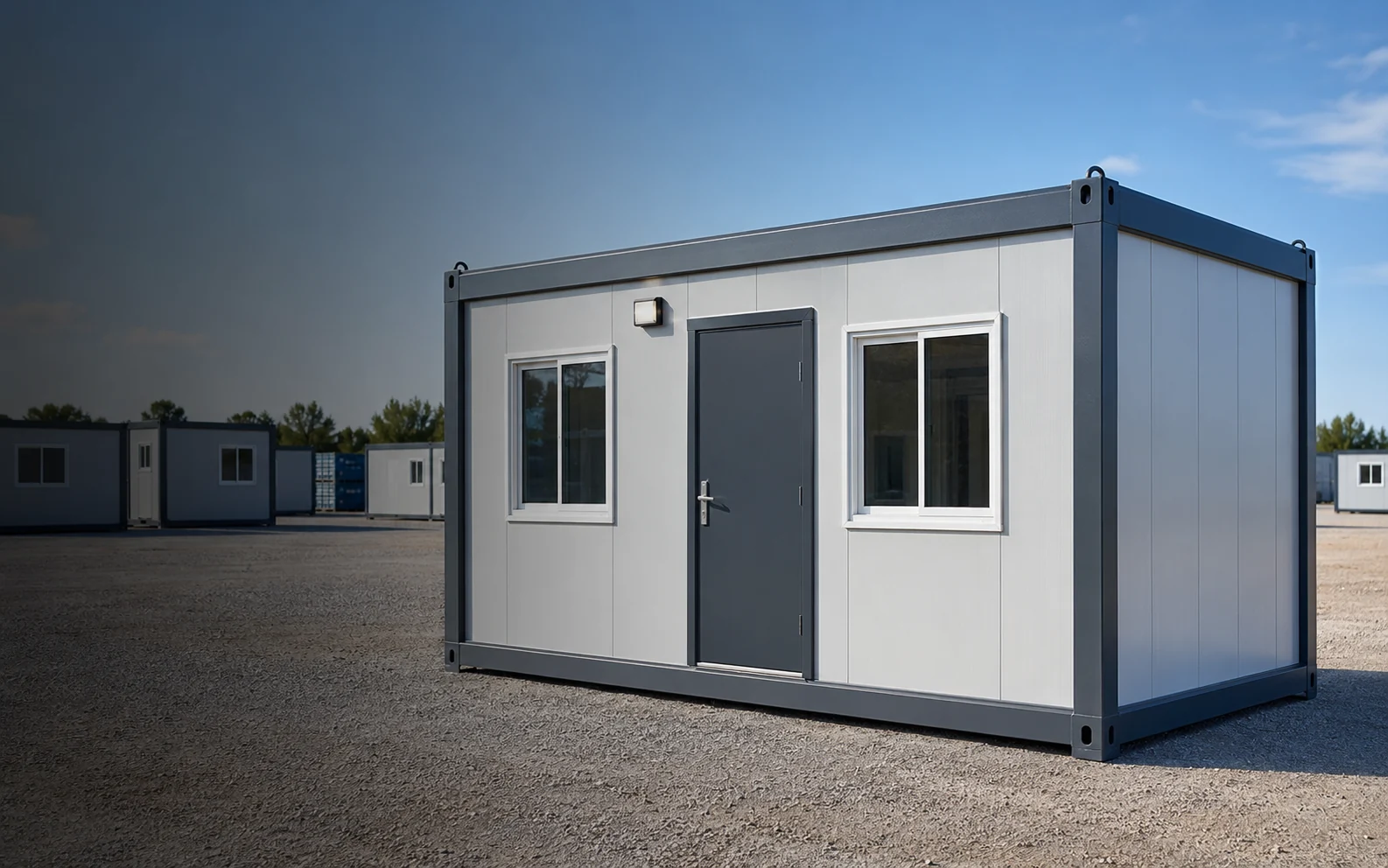
“Folding prefabricated house” can describe different structures, folding mechanisms, completion levels and intended uses. Before comparing suppliers, define the target unit: dormitory, office, sanitary room, emergency accommodation or another approved function. State whether the requested product is a shell, a weather-tight room, or a furnished and serviced unit.
The discovery process can begin with the folding prefabricated house category, but the shortlist should be built around a controlled specification. Ask every supplier to identify the offered model, expanded dimensions, folded transport condition, included frame and panels, door and window package, floor, electrical scope, sanitary scope and accessories.
Which Supplier Evidence Should Buyers Request First?
Evidence should answer three questions: Is this the same product being quoted? Can it be delivered in the proposed form? Can it be opened, connected and accepted at the destination? A brochure alone rarely resolves all three.
Request a quotation-linked drawing or data sheet, configuration schedule, current product photographs, packing description, installation or opening guidance, document list and clear exclusions. Where project risk justifies it, add a sample or first-unit approval step. Company statements about customization should be converted into revision-controlled drawings and line-item scope before they influence the purchase decision.
What Must Be Frozen in a Folding House RFQ?
| Buyer input | Supplier confirmation | Risk if missing | Evidence |
|---|---|---|---|
| Application and occupancy | Proposed layout and fit-out | Unsuitable room function | Marked plan |
| Expanded dimensions | Quoted external and internal size | Site or furniture conflict | Controlled drawing |
| Folded condition | Transport dimensions and handling points | Loading or unloading mismatch | Packing plan |
| Frame and envelope | Material and construction offered | Non-comparable quotations | Material schedule |
| Utilities and fit-out | Factory, site and excluded work | Connection gaps | Interface schedule |
| Installation resources | Crew, equipment and site assumptions | Deployment delay | Method statement |
| Destination requirements | Compliance assumptions and review needs | Approval failure | Compliance matrix |
| Acceptance | Checks, records and deviation process | No objective release basis | Inspection plan |
How Should Buyers Review the Folded Transport Condition?
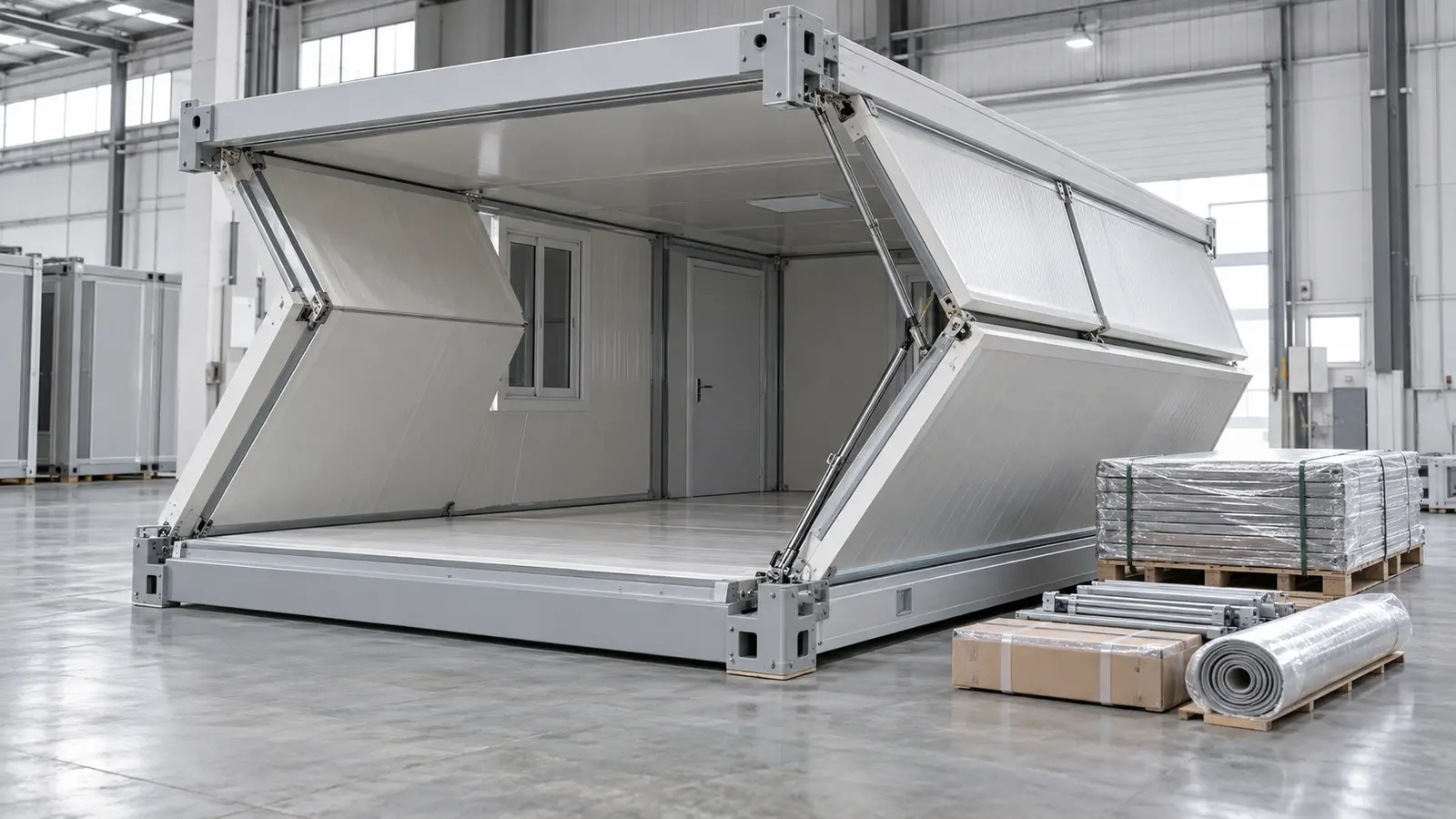
Transport is a defined product state, not a marketing benefit. Ask how the unit is secured while folded, how panels, doors, windows, finishes and internal components are protected, which parts ship loose, and how packages are identified. The supplier should state lifting and handling points, storage conditions, package dimensions and the loading basis used for the quotation.
Published loading figures are planning references and may change with configuration, packing, accessories and route constraints. A bathroom module or upgraded façade may not pack like a basic room. Request a project packing list and loading plan rather than multiplying a headline quantity by the number of containers.
What Does “Fast Installation” Need to Mean in the Contract?
Installation time only has meaning when the start and finish points are defined. Does timing begin after unloading? Are foundations level and ready? Are lifting equipment, trained workers and tools present? Does “installed” mean mechanically opened and secured, or does it include sealing, electrical connection, plumbing, furniture, testing and cleaning?
The RFQ should distinguish factory completion, site opening, structural fixing, weather sealing, utility connection and commissioning. Ask the supplier to list buyer-provided resources and environmental limits. This converts a broad deployment statement into a realistic site sequence.
How Can Buyers Check Structural and Envelope Scope Without Overclaiming?
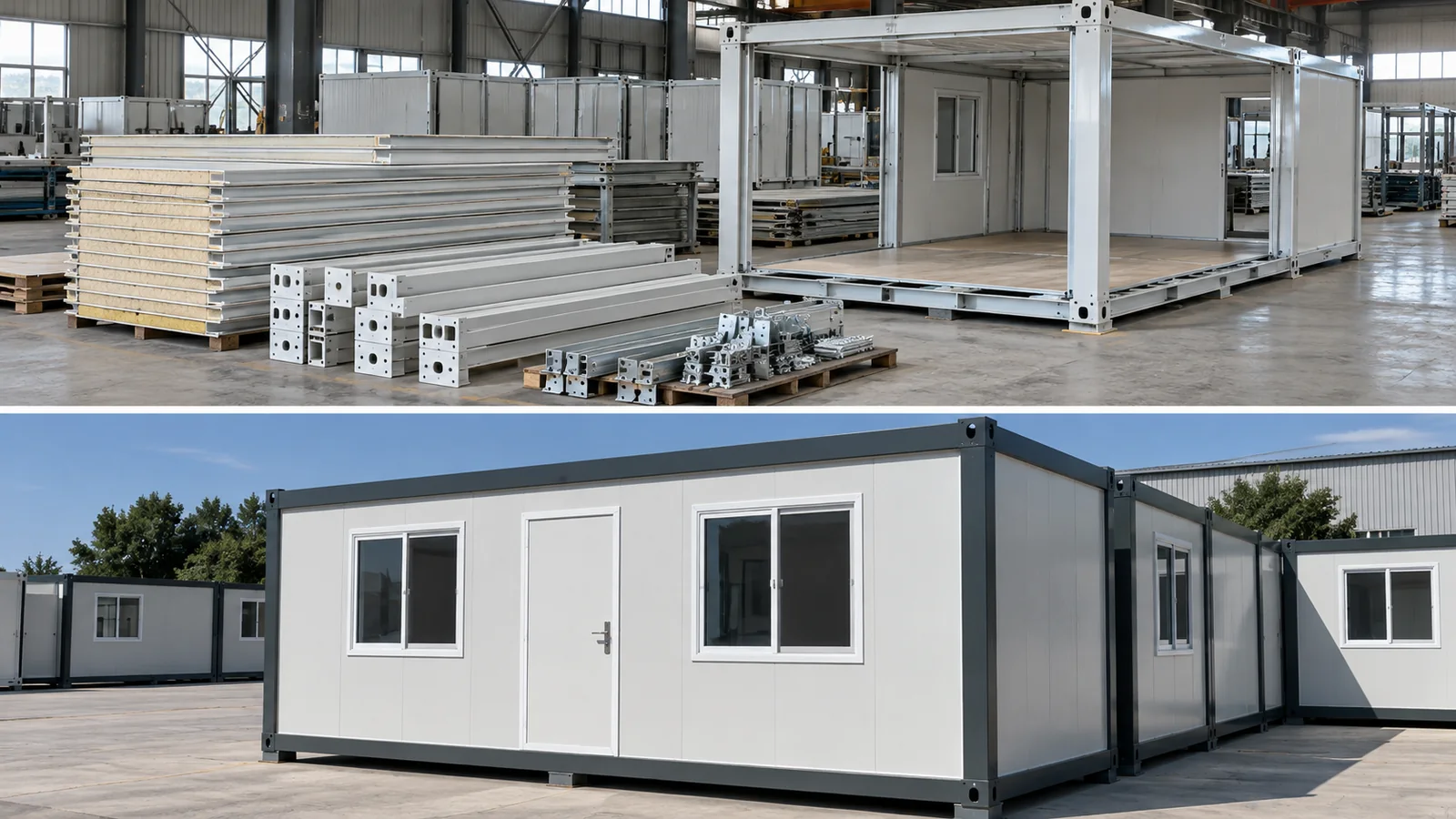
Request the exact offered frame, corrosion-protection approach, wall and roof build-up, panel core and thickness, floor system, doors, windows, seals and closures. Then relate those items to occupancy, climate, transport cycles and destination requirements. Do not assume that a published product-family option is automatically included in the quoted unit.
Structural, wind, seismic, fire, electrical and accessibility requirements are project- and jurisdiction-dependent. The buyer should provide known requirements and identify the responsible approval parties. The manufacturer should return what is supported by its proposed configuration, what requires additional engineering, and any deviation or missing input.
Why Should Utilities Be Reviewed as Interfaces?
A factory-installed socket or pipe does not complete the destination system. Electrical and plumbing scope should identify internal components, external connection points, ratings or project requirements, testing, and who supplies the upstream and downstream infrastructure. For bathrooms, clarify water inlet, drainage, ventilation, waterproofing and hot-water scope. For office or accommodation units, define lighting, sockets, HVAC provisions and communications needs.
Ask for an interface schedule that labels each connection and assigns responsibility. The same schedule should appear in the quotation, drawings and installation information. This makes omissions visible before shipment.
How Should Buyers Evaluate Lumin Mod’s Folding House Offer?
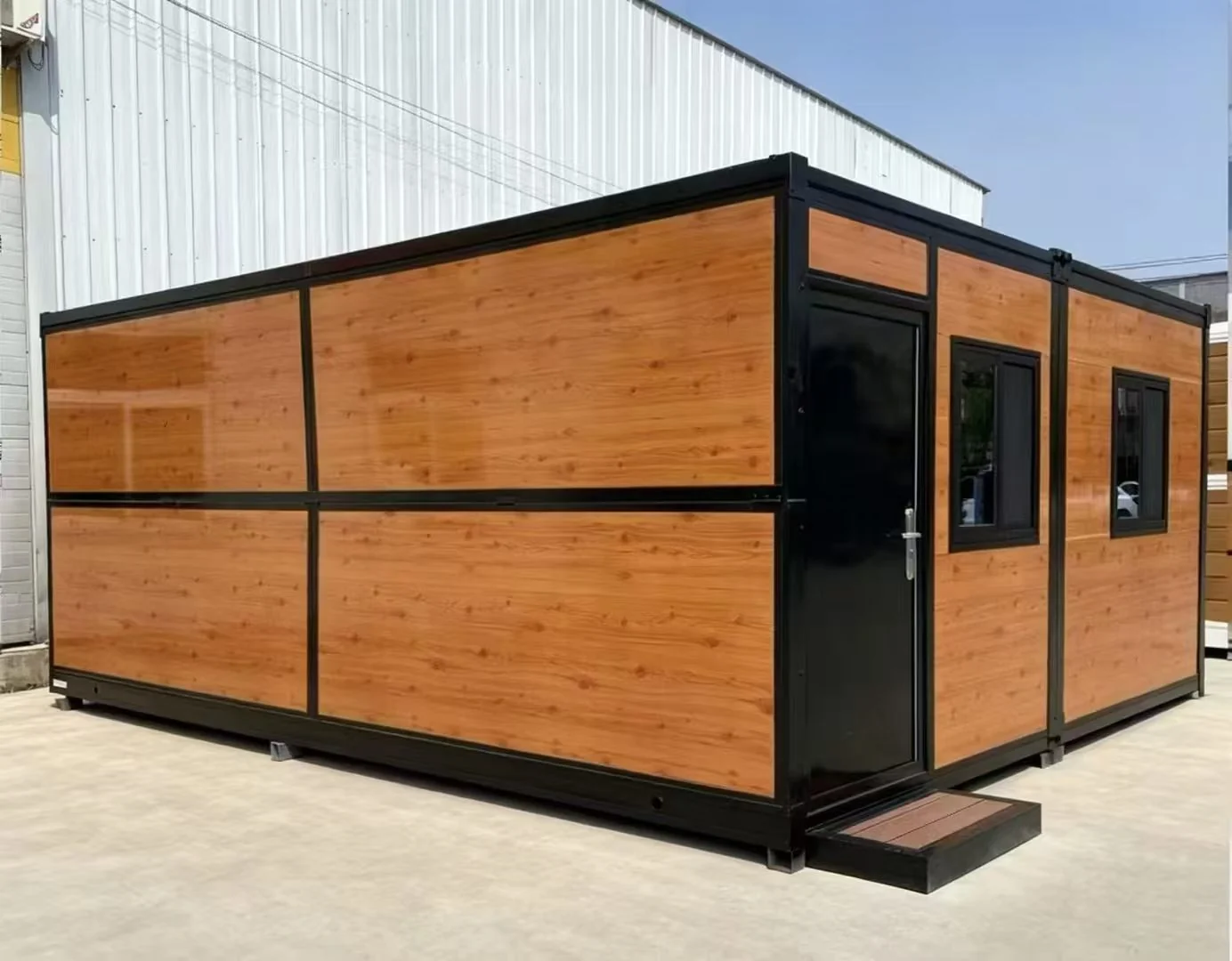
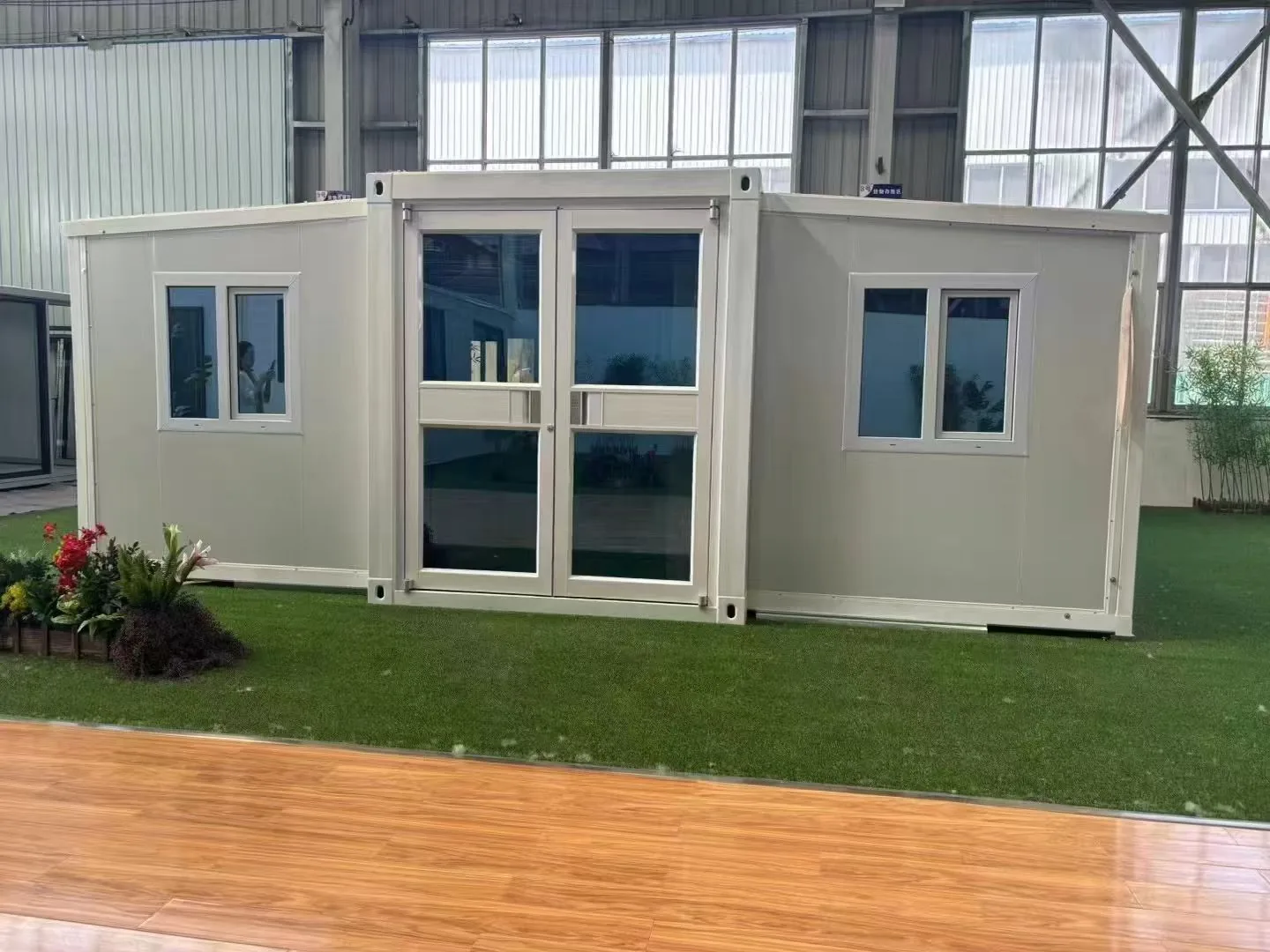
Lumin Mod’s folding prefabricated house manufacturer page provides a real configuration family for evaluation, including published expanded and folded dimensions, frame and panel alternatives, transport references, layout options and optional interior systems. Those data help a buyer frame questions, but the quoted order must still identify which values and options apply.
For example, a page may show several panel cores, floor finishes, window choices or interior packages. That does not mean one quoted unit contains all alternatives. Request an option-by-option response, with base scope, selected upgrades and exclusions separated. Dimensions and performance statements should be tied to the offered model and final project review.
What Should a Sample-Approval Process Verify?
A sample review should reproduce the approved configuration closely enough to test the risks that matter. Physical review can cover dimensions, opening and locking, panel and seal interfaces, doors and windows, floor transitions, finish quality and access to connection points. Functional review can cover agreed electrical, plumbing, drainage or equipment checks within a controlled procedure.
The result should not be a generic “sample passed.” Record the drawing revision, configuration, inspection items, measurements or observations, deviations, corrective action and approval authority. If the sample differs from the bulk order, document which findings remain applicable. Use the sequence sample → verification → deviation resolution → approved revision → bulk release.
How Should Packing and Arrival Inspection Be Controlled?
Packing evidence should connect each unit and accessory to the project schedule. Ask for package IDs, unit IDs, packing lists, loose-item lists, protection method and loading photos where required. At arrival, inspect package condition before opening, then reconcile quantities and record transport damage or missing items under the agreed process.
After opening, inspect the points most affected by transport and deployment: locking and securing locations, joints and seals, panels, doors, windows, floor interfaces, visible finish, utility connection points and supplied accessories. Final functional acceptance should follow the approved project procedure and destination requirements.
What Common Supplier-Comparison Errors Create Risk?
Comparing a shell with a finished unit
One quote may exclude wiring, plumbing, flooring, furniture and installation while another includes them. Compare a configuration schedule, not the total alone.
Using published loading density as a guaranteed shipment plan
Final loading depends on the model, package, loose accessories and route. Require a project-specific packing basis.
Accepting “easy installation” without site assumptions
Deployment depends on foundations, access, lifting, workers, tools, weather and utility readiness.
Failing to control drawing revisions
An approved sample, quotation and production drawing must describe the same configuration. Changes require recorded commercial and technical review.
Requesting proof without defining acceptance
Photos and documents are useful only when linked to specified requirements, inspection points and responsible approvers.
What Should a Folding Prefabricated House Manufacturer RFQ Include?
- Application, occupancy, destination and intended service period.
- Requested model, expanded dimensions and internal layout.
- Folded dimensions, package condition and transport constraints.
- Frame, wall, roof, floor, door, window and finish requirements.
- Electrical, plumbing, bathroom, HVAC, furniture and appliance scope.
- Factory-completed work, site work and explicit exclusions.
- Foundation, anchoring, unloading, lifting and installation resources.
- Destination standards, approvals and buyer-provided design criteria.
- Required drawings, data sheets, records and traceability.
- Sample or first-unit approval and inspection points.
- Packing list, unit identification and arrival-inspection process.
- Quantity, phasing, destination and quotation validity.
Submit the controlled schedule through Lumin Mod’s folding house quotation request. Require each line to be returned as Confirmed / Deviation / Alternative / Buyer Input Required. This gives procurement, engineering and the supplier one auditable basis for evaluating the offer and releasing the project.
Frequently Asked Questions
Is every folding prefabricated house supplied fully finished?
No. Completion levels differ. The quotation must identify the frame, envelope, interior, utilities, furniture, accessories and site work actually included.
Can a published installation time be used as a contract guarantee?
Only after the configuration, site readiness, crew, equipment, start point, finish point and acceptance scope are defined and agreed.
What is the most useful evidence before a bulk order?
A controlled configuration drawing and schedule are fundamental. Depending on risk, buyers may also require a sample or first-unit review, material information, packing plan and documented inspection results.
Should buyers select a manufacturer only by unit price?
No. Compare the same configuration, transport scope, site responsibility, evidence, exclusions and acceptance boundary. A lower figure may simply omit required work.