2026-07-13 17:13:28
Most buyers start by choosing a building type. It is usually faster to start with the specification. The three container house specifications that decide whether a unit fits your project are footprint (how much floor area each shipped module gives you), the thermal package (the insulation built into the wall, roof and floor panels), and the services package (whether the unit is grid-tied or built to run off-grid). Get those three right and the building type — expandable, folding, flat-pack or other — tends to follow naturally.
This page is a specification reference: a place to compare the options on each axis before you request drawings or a quote. It is organised the way a sourcing decision actually works, not by sales category.
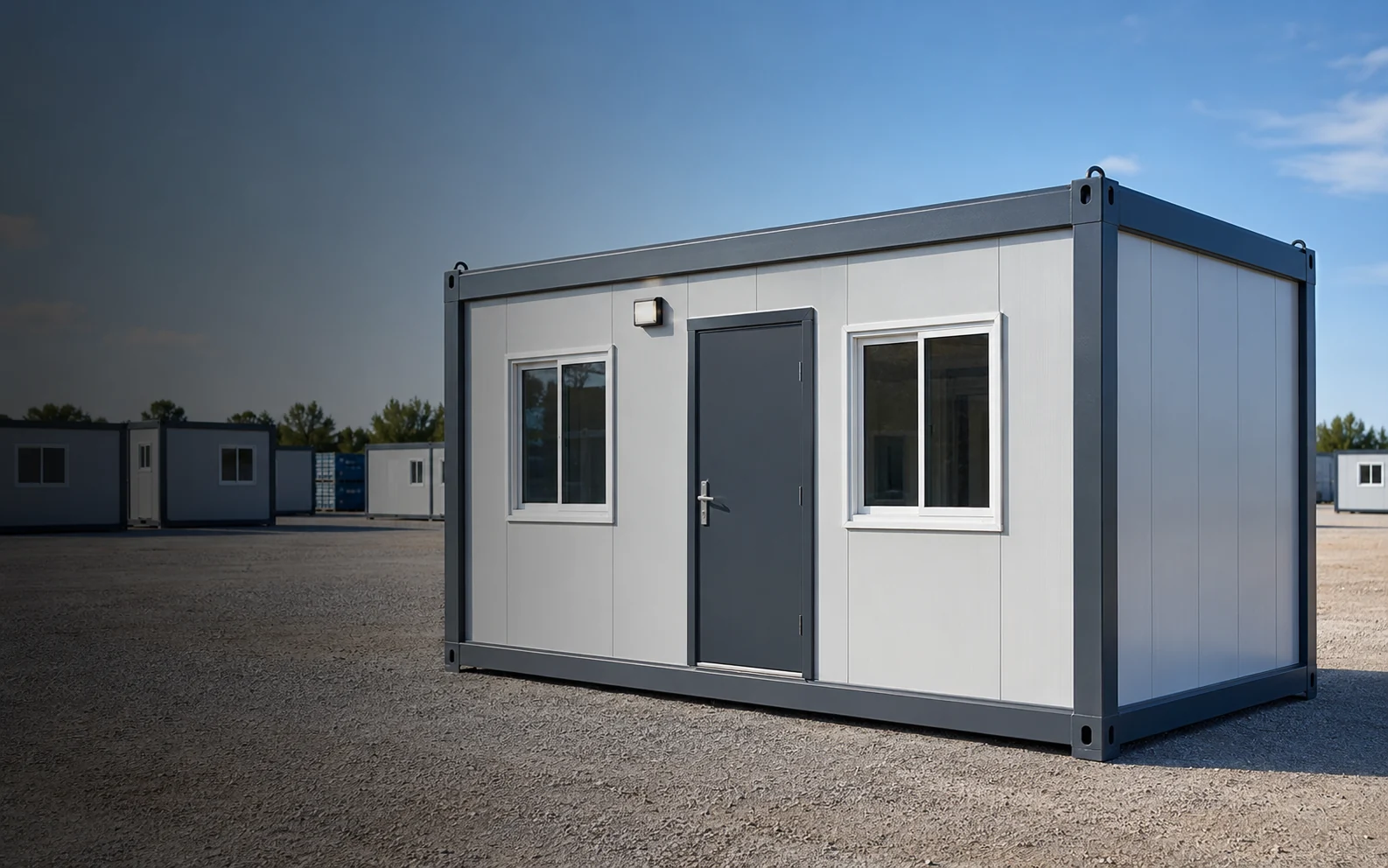
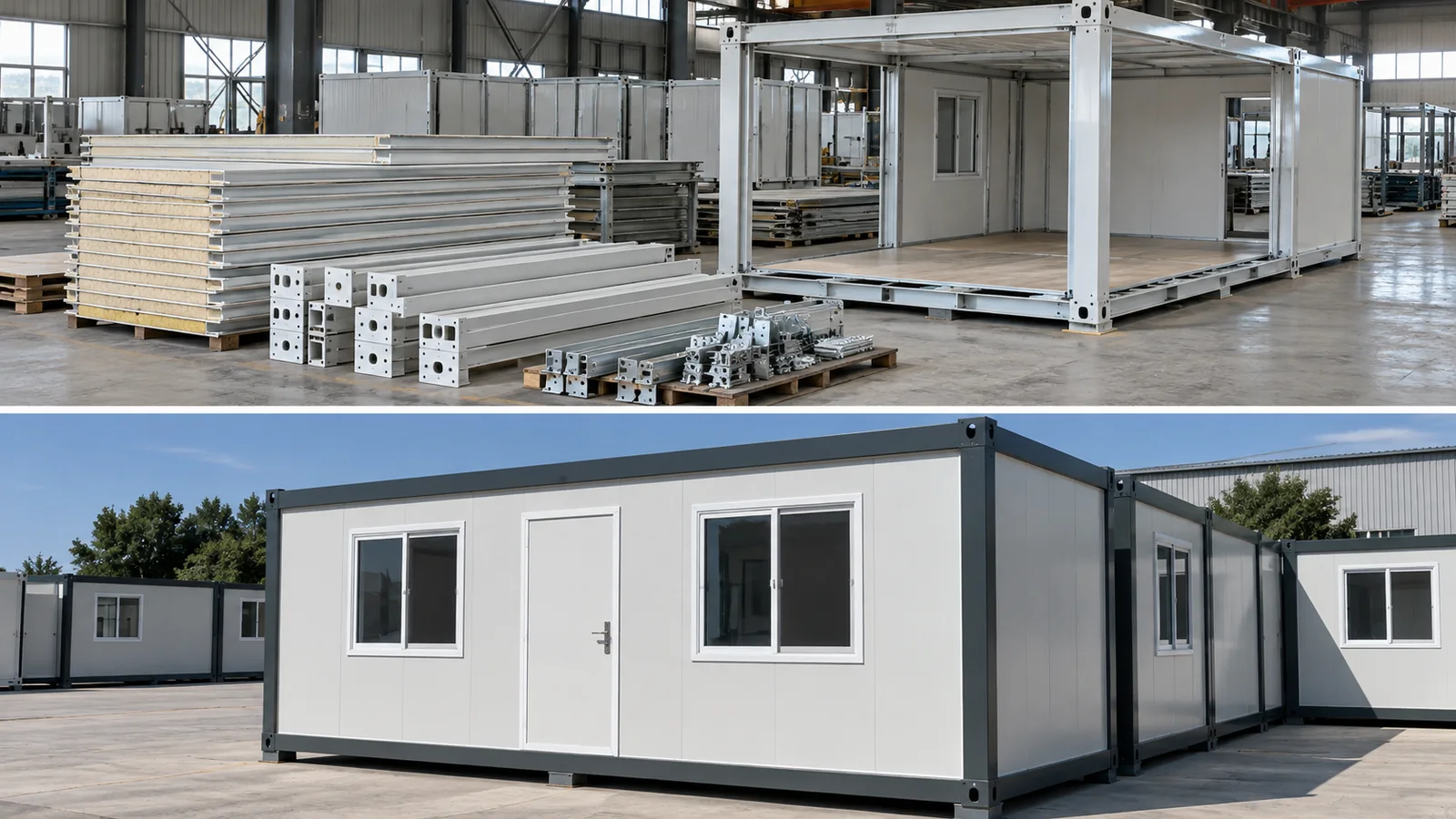
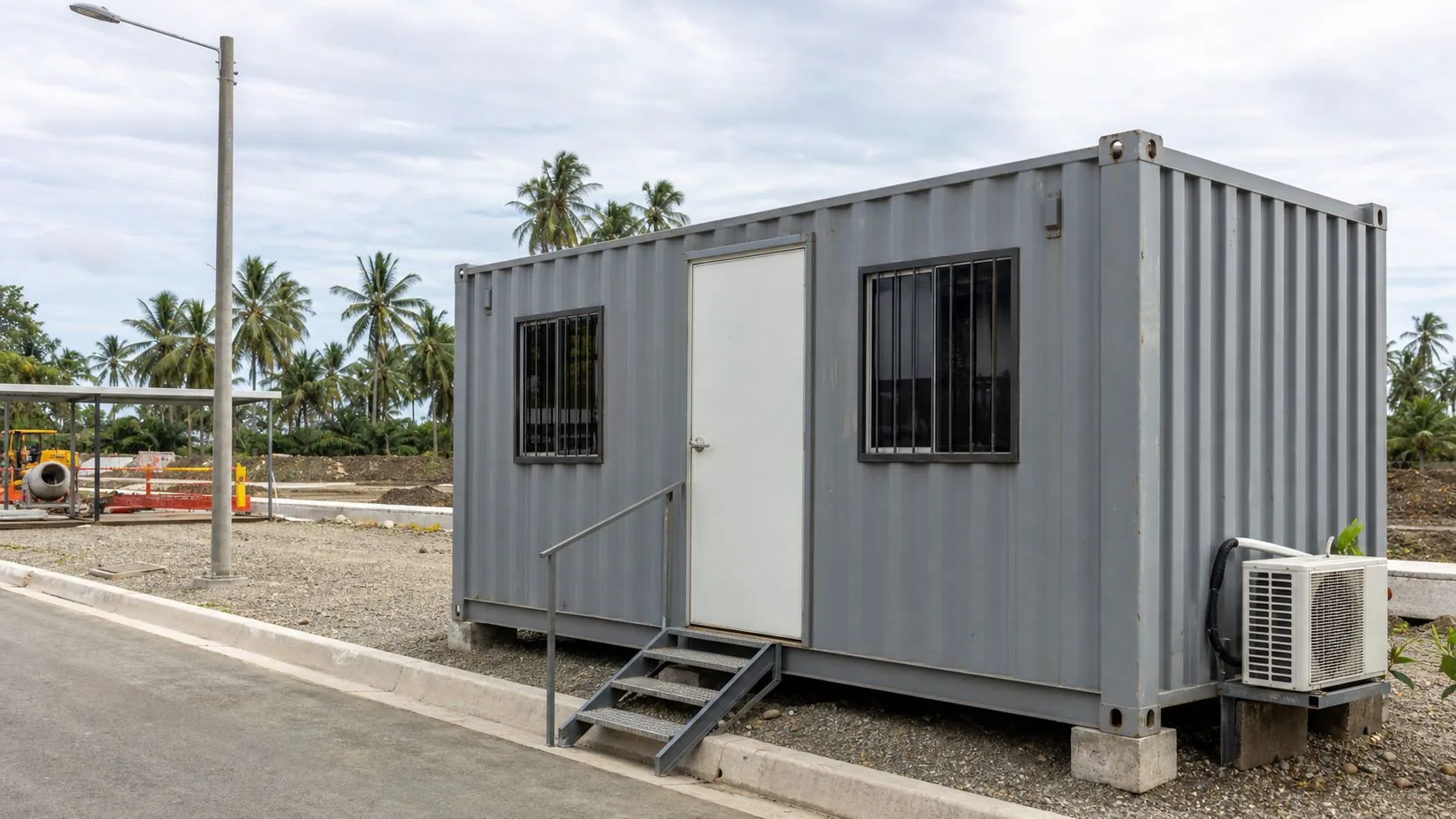
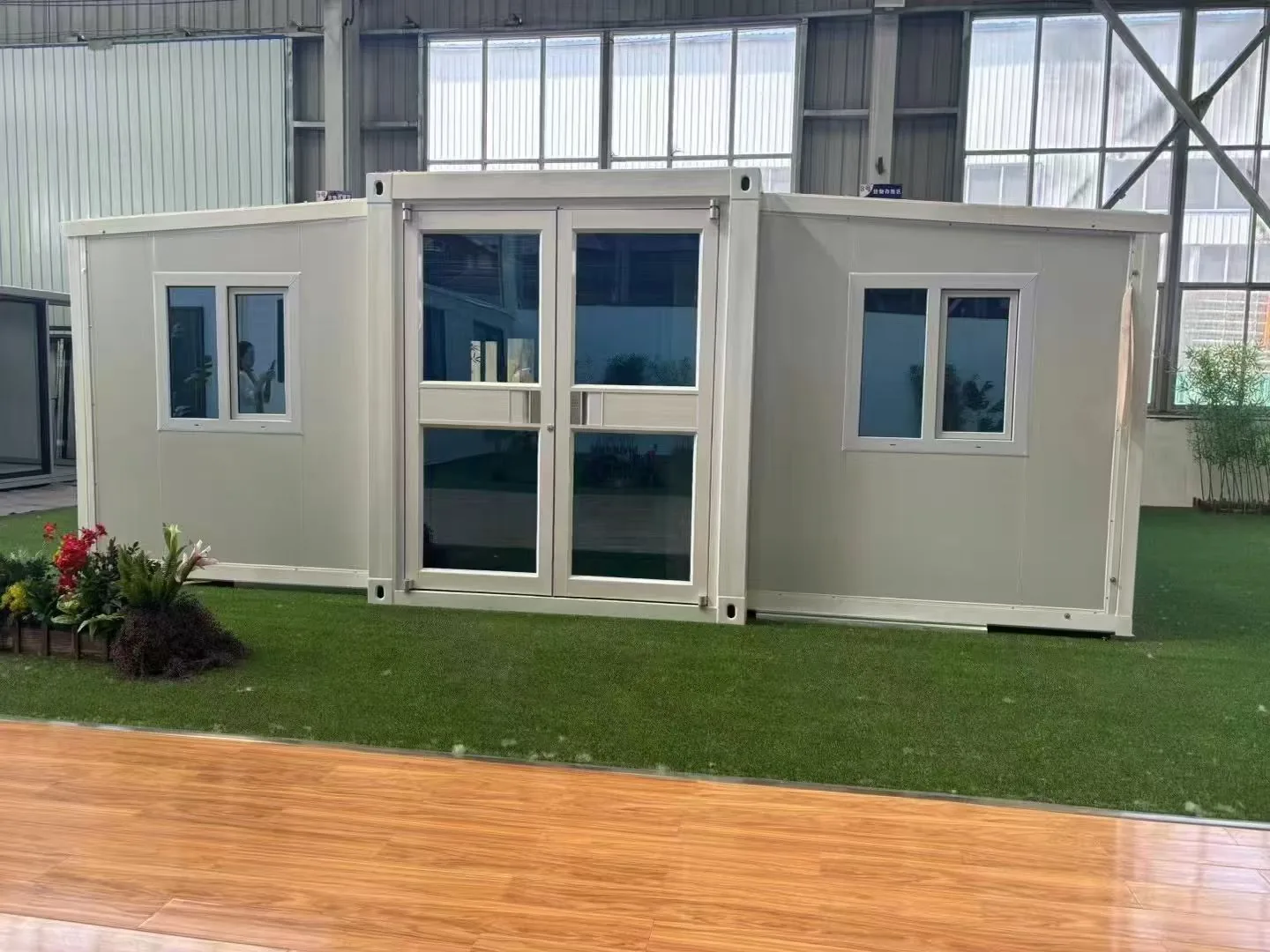
Footprint. The two base modules are the 20-foot and the 40-foot. A 20ft container house is the most shippable, stackable single unit; a 40ft container house gives roughly double the usable area for multi-room layouts. Expandable and folding designs change these numbers substantially, which is why footprint and building type are linked.
Thermal package. The insulation core in the panels drives comfort, energy use and condensation resistance — covered in detail under container house insulation.
Services. A unit can be grid-tied or built as a self-sufficient off-grid container house, which changes power, water and waste design.
Specifications quoted on these pages are nominal and vary by configuration — always confirm dimensions, panel build-up and ratings against the engineered drawings for your order. As a nominal guide, a standard 20ft module gives about 13.3–14 m² of usable floor area and a standard 40ft about 28 m².
For an export buyer the destination usually decides the specification: a unit headed for a cyclone coast, a cold inland site or a humid tropical market needs different panels, ratings and services even when the building type is identical. Working spec-first keeps that logic in the right order.
If you would rather choose by building type first, the choosing-a-type guide walks through the six designs. To compare a container house against other construction methods, see container house comparisons.