2026-07-13 17:14:17
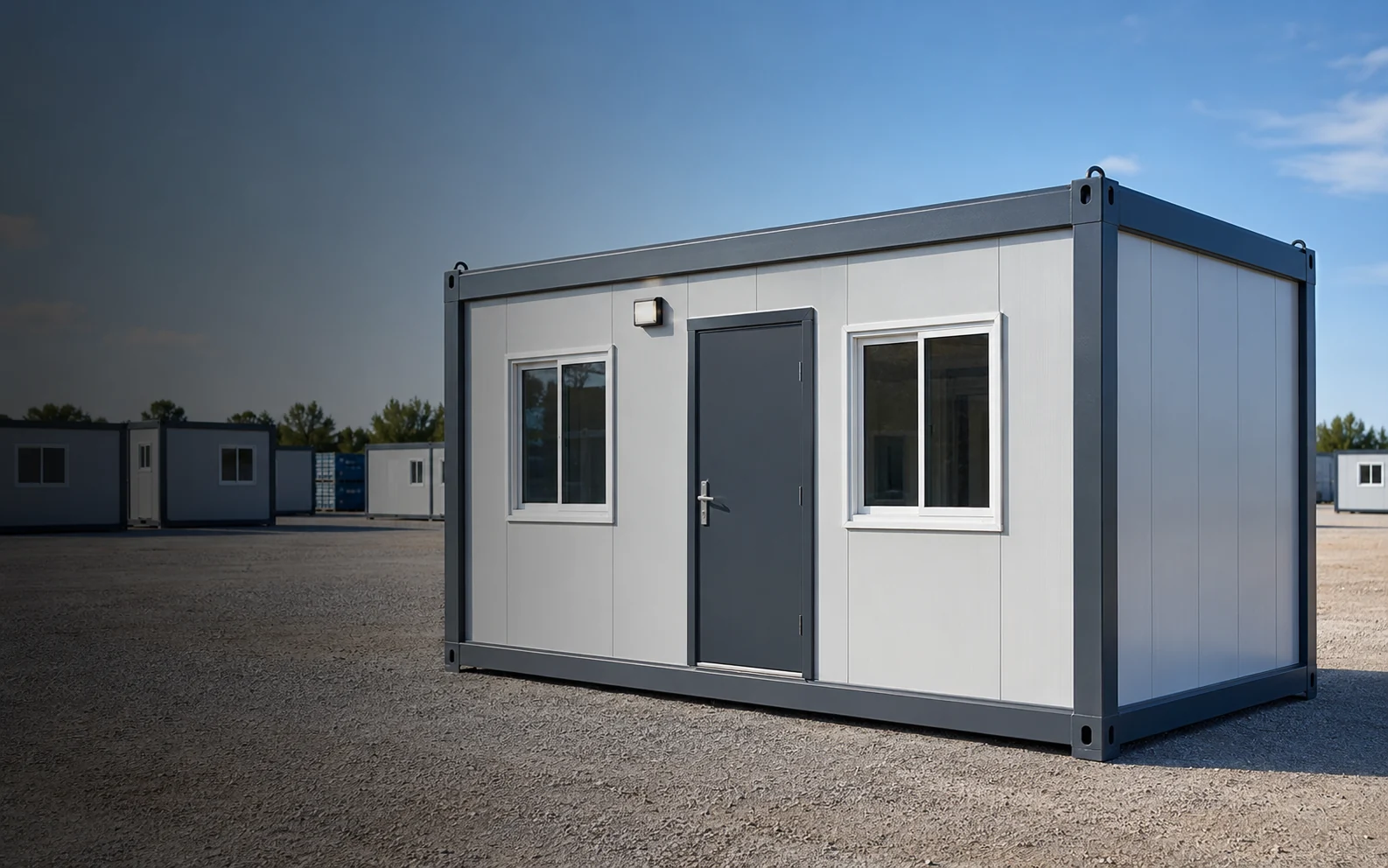
Before committing to container construction, most buyers want an honest container house comparison against the alternatives — traditional building, prefab or modular systems, and mobile homes. This hub collects those comparisons in one place and answers them straight, including the cases where a container house is the wrong choice.
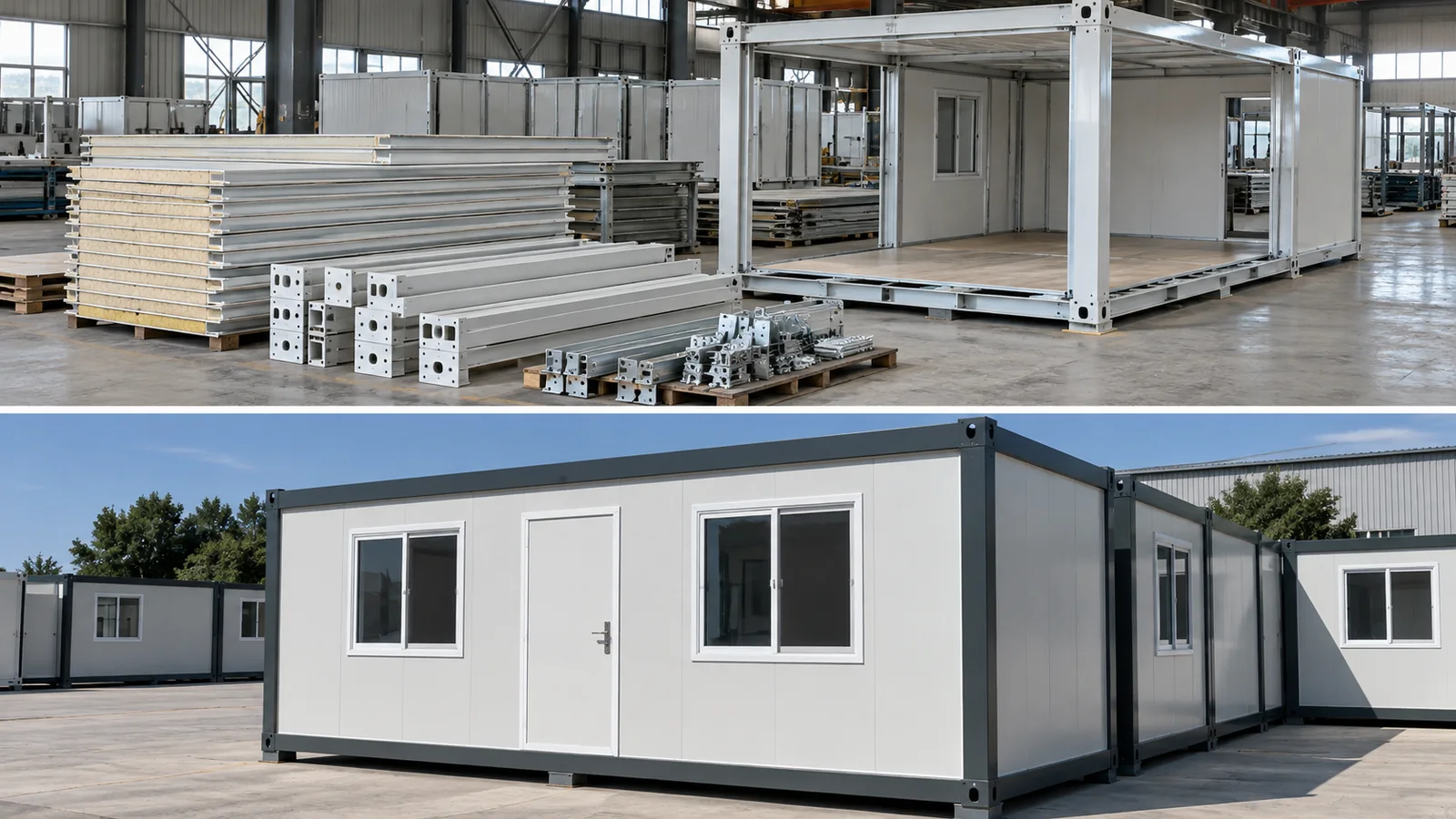
A container house is not automatically cheaper, faster or better. It tends to win on a specific combination of factors: short lead time, transportability to difficult or remote sites, predictable factory quality, and the ability to relocate or expand later. It tends to lose where a buyer needs very large open spans, highly bespoke architecture, or has inexpensive local conventional labour and no transport constraint.
The comparisons worth reading first:
Container house vs traditional house — cost, build speed, lifecycle, and the perception-of-value question.
Container house vs mobile home — structure, permanence and re-locatability, which buyers often confuse.
If you have already decided container is right and just need to pick a design, the choosing-a-type guide compares the six building types directly. For a full sourcing framework, the buyer guide walks through specification, verification and shipping.
Figures cited in the underlying comparisons should be checked against current sources for your market — construction costs and lead times vary widely by country and year, and depend on spec level, finish and order volume. We confirm exact cost and lead-time figures for your destination on quotation.
This hub is written for procurement and project teams comparing build methods for a specific brief, not for casual readers, so each comparison ends with the conditions under which each option actually wins rather than a generic verdict.
The aim across this hub is decision support, not a sales pitch: the clearer the trade-offs, the better the order fit — for you and for us.