2026-07-13 17:14:51
This is a vendor-neutral guide to container house construction — the insulation, foundations, services, codes and durability decisions that determine whether a unit performs for decades or disappoints in a season. It is written for buyers, project managers and specifiers who need to understand the build before they sign off on it.
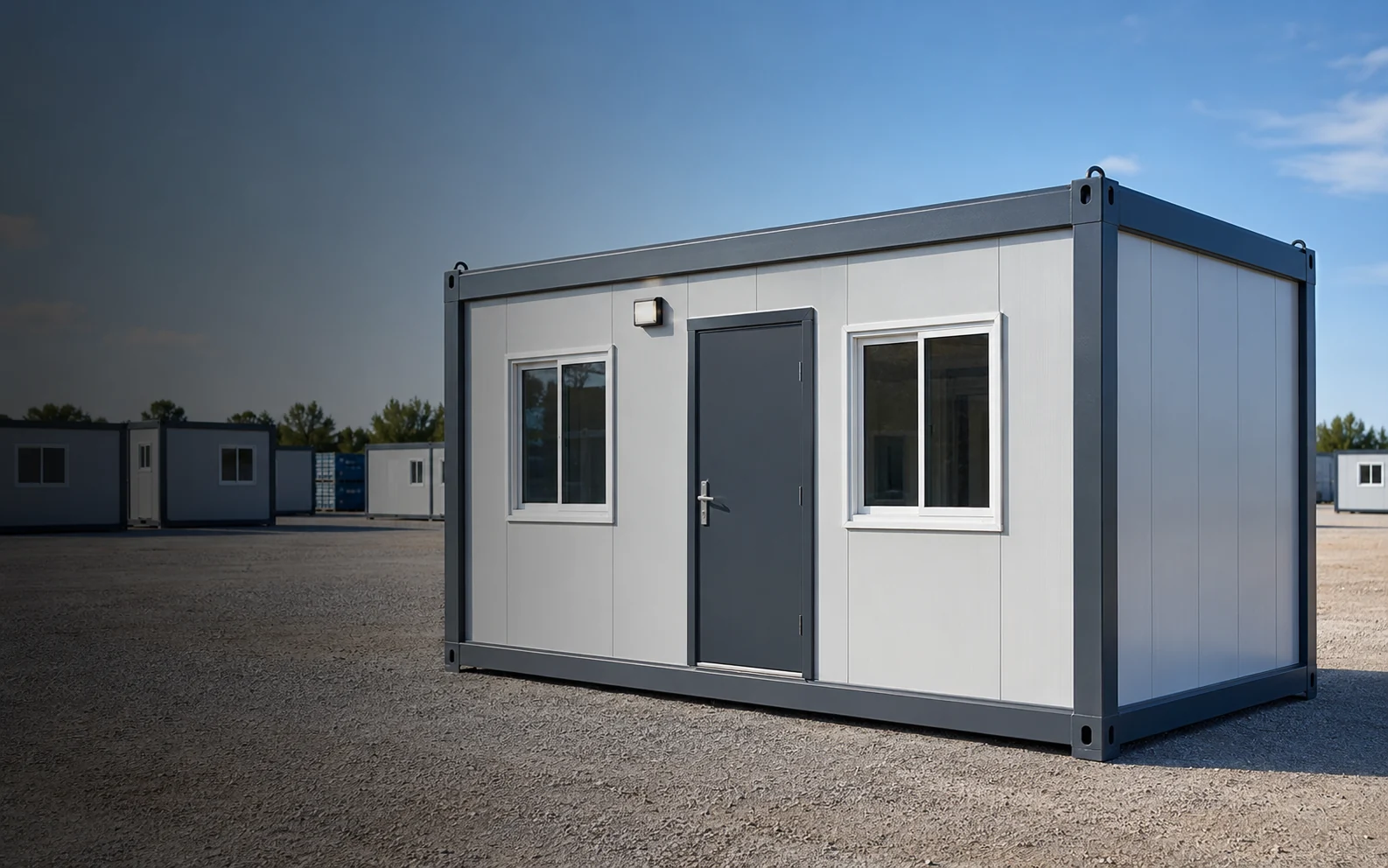
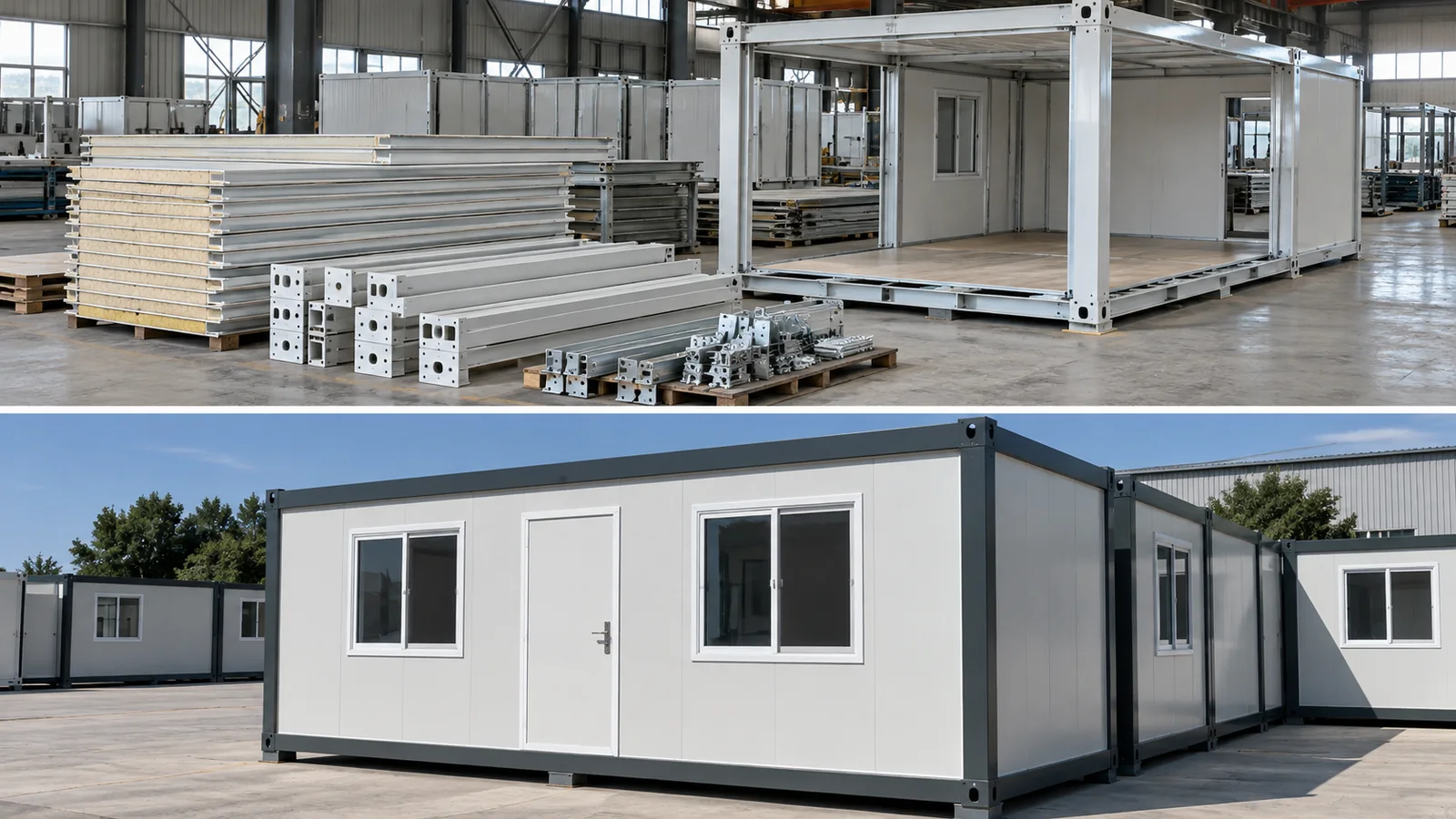
Container construction looks simple from the outside, which is exactly why projects go wrong. The steel shell is the easy part; the engineering that matters happens in four areas:
Insulation — the single biggest driver of comfort and energy use, because bare steel conducts heat and invites condensation.
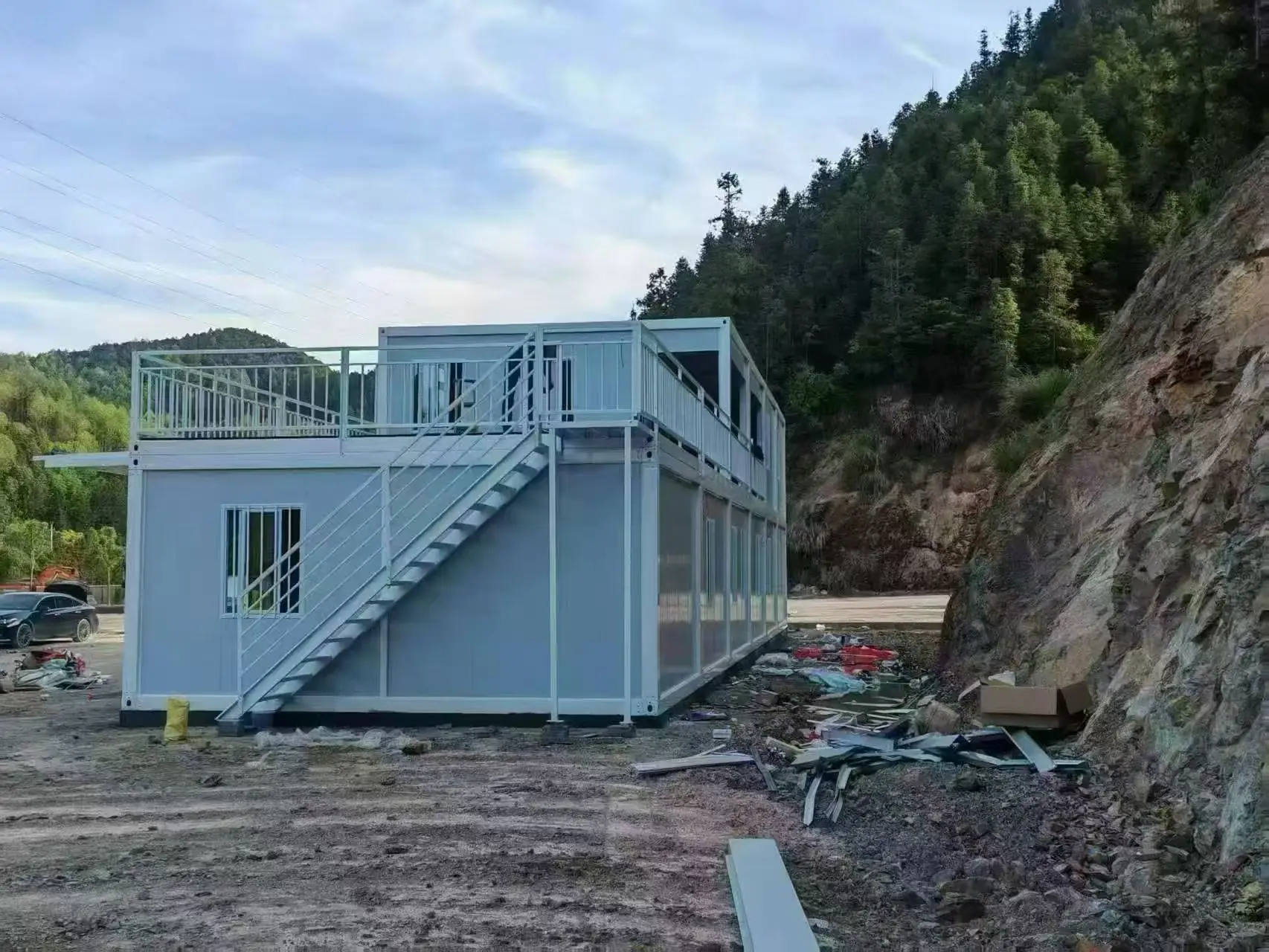
Foundations — what the unit sits on, matched to soil and climate.
Services — electrical and plumbing, designed for the destination’s standards.
Building codes and permits — what makes a unit legal to occupy where it lands.
Two questions run underneath all of them: how long will it last (see lifespan and durability), and what drawings should a supplier provide so the build can be verified?
A good supplier engineers and documents each unit to the relevant standards for your market — that documentation, not a verbal assurance, is what you should ask for and check. This guide is deliberately neutral; for how our own process handles installation, see the installation guide, and for sourcing end-to-end, the buyer guide.
A simple test cuts through most of this: if a supplier cannot hand you stamped or engineered drawings plus a material specification, you cannot independently verify the build — and you usually cannot permit it either.
The most common build mistakes — skipped insulation detailing, undersized foundations, ignored local codes — are all avoidable with the right questions up front. The sections in this hub are written to help you ask them. The exact standards that apply — structural, electrical, thermal and fire — depend on the destination-market code (CE/EN, IBC/ASCE, AS/NZS, SASO) and are confirmed per project rather than quoted as fixed figures here.