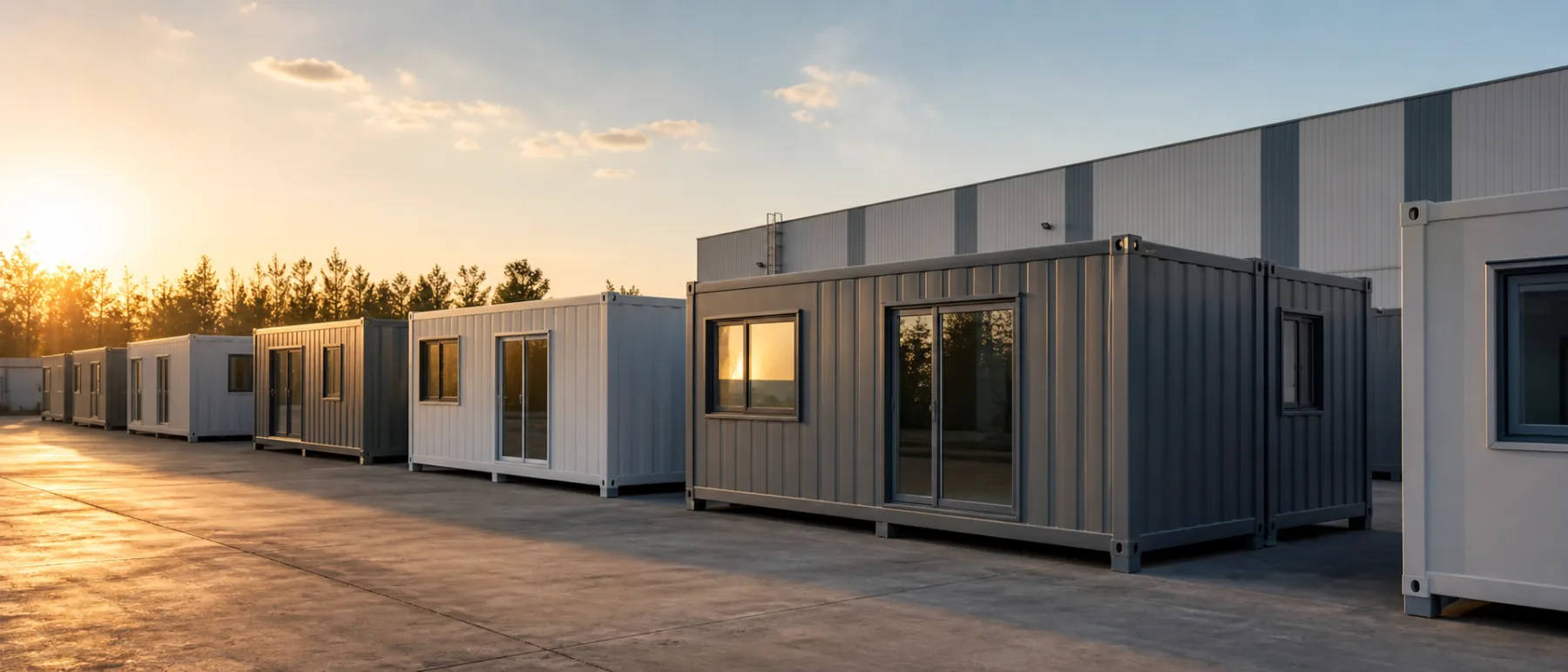
2026-10-21 15:40:49
The lifespan of a container home depends on structural design, materials, installation conditions, environmental exposure and maintenance. A stated design service life is an important planning reference, but it is not a guarantee that every unit will remain in the same condition for that period under all operating conditions.
Buyers should confirm whether the stated design life applies to the exact product configuration, what assumptions it carries, and which material and structural specifications support the claim.
What Is the Expected Lifespan of a Container Home?
Design Service Life vs. Actual Service Life
Design service life is a period used in design under specified assumptions. Actual service life depends on manufacture, installation, occupancy, maintenance and environmental exposure. Corrosion, water ingress, foundation movement, damaged seals or unsuitable modifications can affect a building before the stated design period has elapsed.
| Term | Meaning | What buyers should verify |
|---|---|---|
| Design service life | Design basis for the building or structure | Exact product, assumptions and documentation |
| Actual service life | Period the building remains suitable for intended use | Installation, exposure, maintenance and condition |
| Maintenance interval | Interval for a specified inspection task | Manufacturer instructions and conditions of use |
A design service life does not automatically establish a warranty period or guarantee that every component will last equally long.
What Do Published Service-Life Figures Mean?
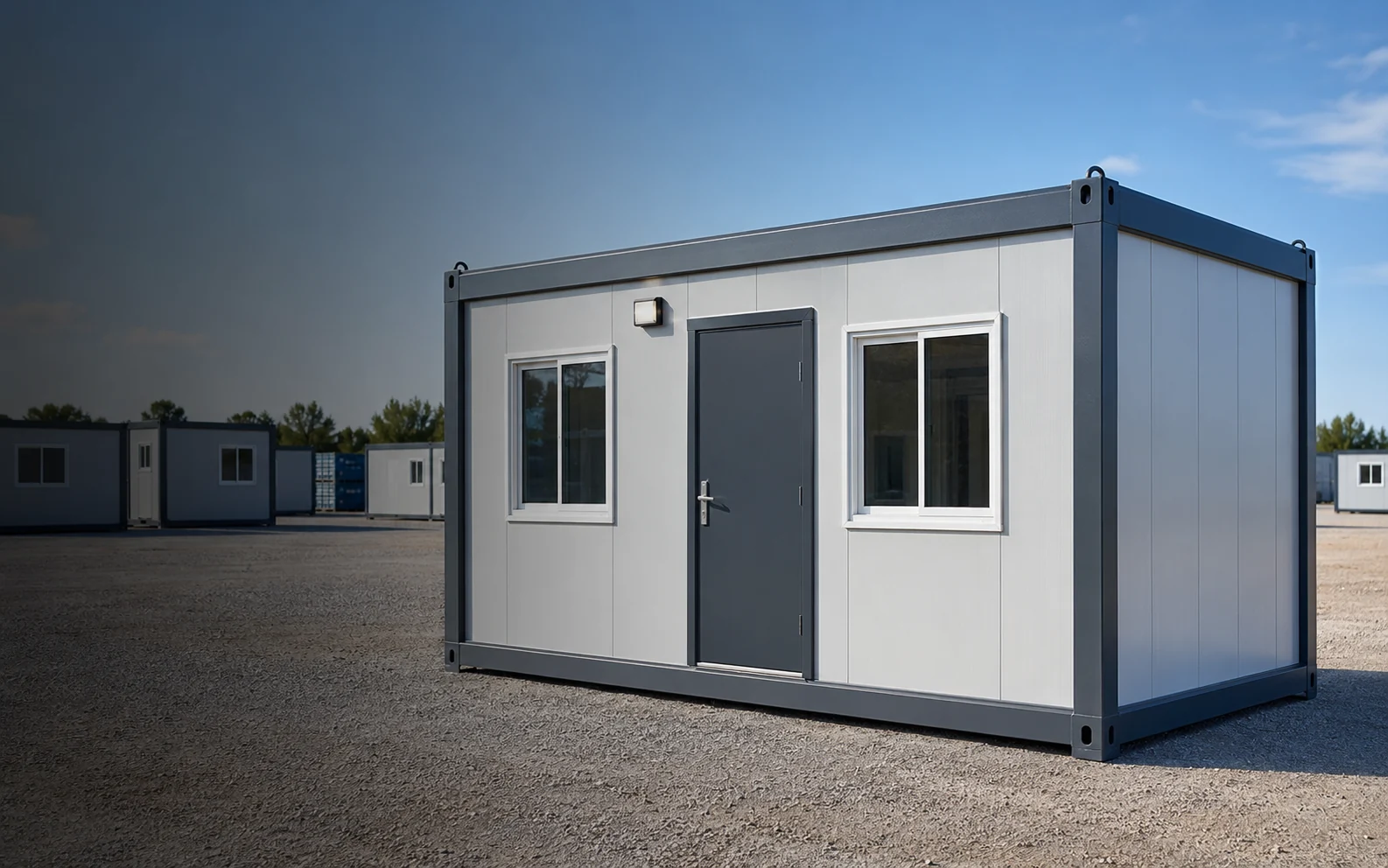
Lumin Mod’s containerized prefabricated houses page lists a design service life of 15–20 years, while its double-wing expandable houses page provides a different range of 10–30 years. These figures apply to different product categories and should not be combined into one lifespan claim for the entire range.
Before using a figure in a project specification, confirm which model and configuration it covers, whether it refers to the structure or complete building, what assumptions apply, and which maintenance requirements are relevant.
Which Materials and Structural Details Affect Lifespan?
Steel Frames and Corrosion Protection
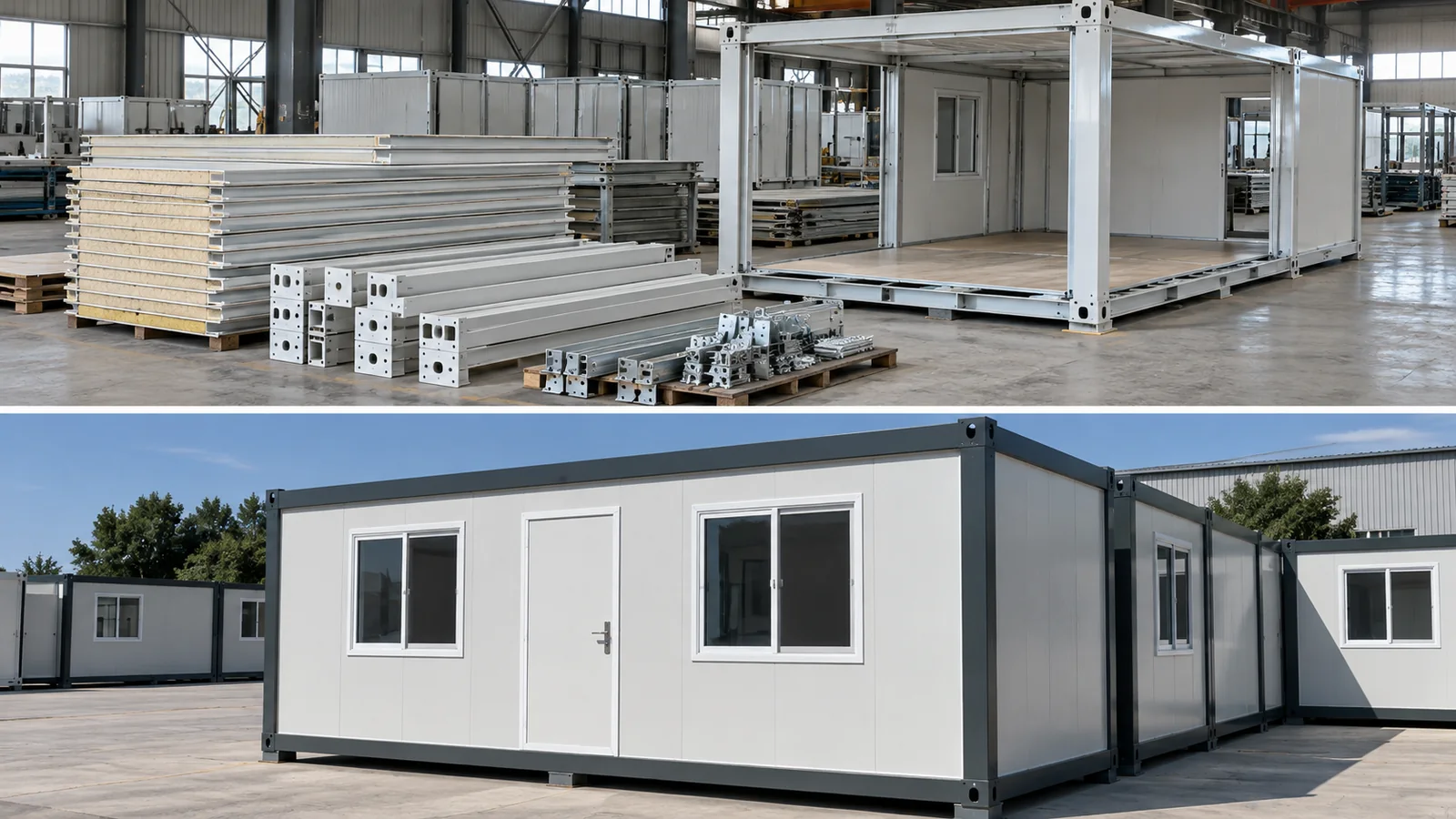
Lumin Mod’s containerized house information identifies Q235B hot-dip galvanized steel framing. Durability depends on more than the steel grade: exposure, protective-coating condition, joint detailing, drainage and maintenance affect corrosion risk. A material description alone does not establish a specific corrosion rating or guaranteed coating life.
For coastal or persistently humid projects, buyers should confirm that the proposed corrosion-protection system suits the actual exposure and request relevant material documentation.
Wall Panels, Roofing and Floor Systems
The enclosure system protects the interior and contributes to thermal performance and weather resistance. Buyers should confirm the actual wall-panel type, thickness, core material and joint details included in the quoted configuration.
- Roof joints and drainage paths.
- Wall-panel connections and external seals.
- Door and window interfaces.
- Floor construction and moisture exposure.
- Service penetrations and module connections.
Water ingress can damage finishes and interior components and may contribute to corrosion. Weatherproofing and drainage should be assessed alongside the primary frame.
Connections and Expandable Structures
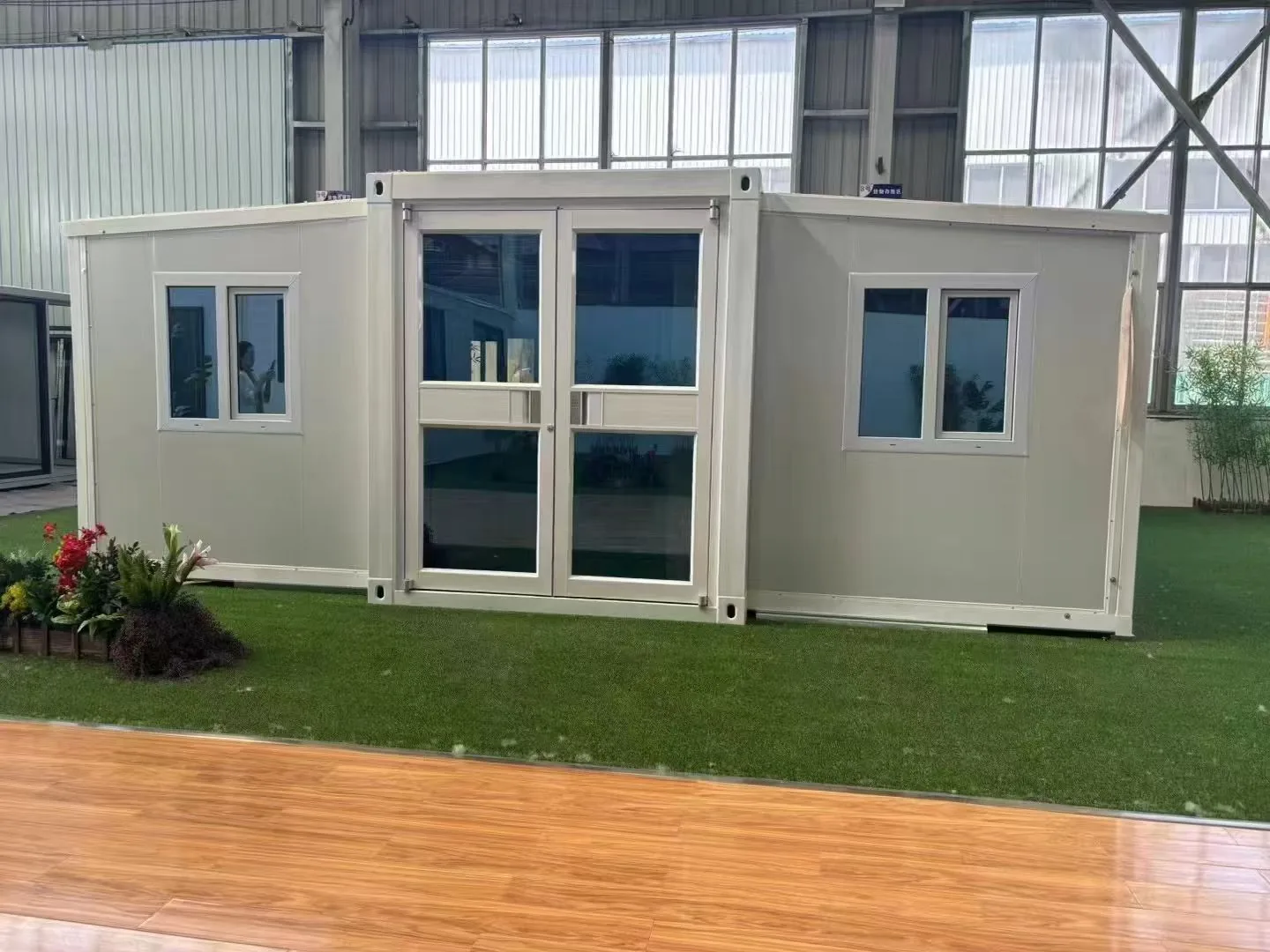
Expandable or folding houses may contain moving sections, hinges, locking mechanisms and connections that differ from a standard containerized house. Confirm deployment, inspection and maintenance requirements for the exact model rather than transferring requirements from another product.
How Do Climate and Installation Conditions Affect Longevity?
Coastal, Humid and Rainy Environments
Moisture and airborne salts can increase corrosion risks for exposed metal components. Persistent dampness can affect seals and finishes. Buyers should review corrosion protection, exterior finishes, roof drainage and joint sealing against actual exposure conditions.
Temperature Changes, Snow and Roof Drainage
Temperature variation, rain and snow can influence the building envelope and structural loads. Standing water or obstructed drainage can increase moisture exposure. Confirm applicable roof, structural and environmental requirements for the project location.
Foundation Conditions and Ground Movement
Uneven settlement, inadequate bearing capacity, poor drainage or movement at support points can affect alignment, doors, windows and connections. A visually level surface is not proof that the ground has sufficient bearing capacity or that the support arrangement is suitable.
What Maintenance Helps Protect a Container Home?
Maintenance should follow the manufacturer’s instructions and reflect the building’s environment and use. A single schedule cannot be assumed to suit every modular house.
Inspect the Exterior and Weatherproofing
- Exposed steel surfaces and coating damage.
- Roof panels, joints and drainage paths.
- Seals around doors, windows and service penetrations.
- Signs of water entry or persistent dampness.
- Visible movement or damage around connections.
Inspection frequency depends on manufacturer requirements, local conditions and observed wear. A generic checklist does not replace official maintenance instructions.
Check Connections and Keep Maintenance Records
Changes in door or window alignment can indicate wear or movement. Follow manufacturer procedures for checking locking and connection components. Records of inspections, defects, repairs and replacements help owners understand condition and plan future work.
What Should Buyers Verify Before Ordering a Long-Term Modular House?
- Product configuration: Confirm the exact model, dimensions, layout and expandable or combined arrangement.
- Structural information: Review frame specifications and design documents.
- Materials: Confirm wall, roof, floor and corrosion-protection options in the quotation.
- Environment: Define wind, snow, temperature, moisture and other site conditions.
- Foundation and installation: Confirm support points, drainage, anchoring and site preparation.
- Maintenance: Establish inspection requirements and responsibilities.
- Design life: Ask which product and conditions the published figure applies to.
- Compliance: Confirm applicable building requirements for the destination.
Because Lumin Mod’s containerized prefabricated houses and double-wing expandable houses are different product categories, their specifications and maintenance considerations should be confirmed separately. For a project with a defined operating environment, contact Lumin Mod with the intended application, destination, configuration and operating conditions.
Conclusion
The lifespan of a container home cannot be established by one number alone. Design service life, environmental exposure, material protection, structural connections, foundation conditions and maintenance all affect long-term performance. Verify the stated design-life figure for the exact product and understand its conditions before applying it to a project.
References
- Lumin Mod. Containerized Prefabricated Houses.
- Lumin Mod. Double-Wing Extendable Houses.
- Lumin Mod. About Us.