
Condensation in Container Homes: Causes, Diagnosis and Control
2026-10-10 16:36:44
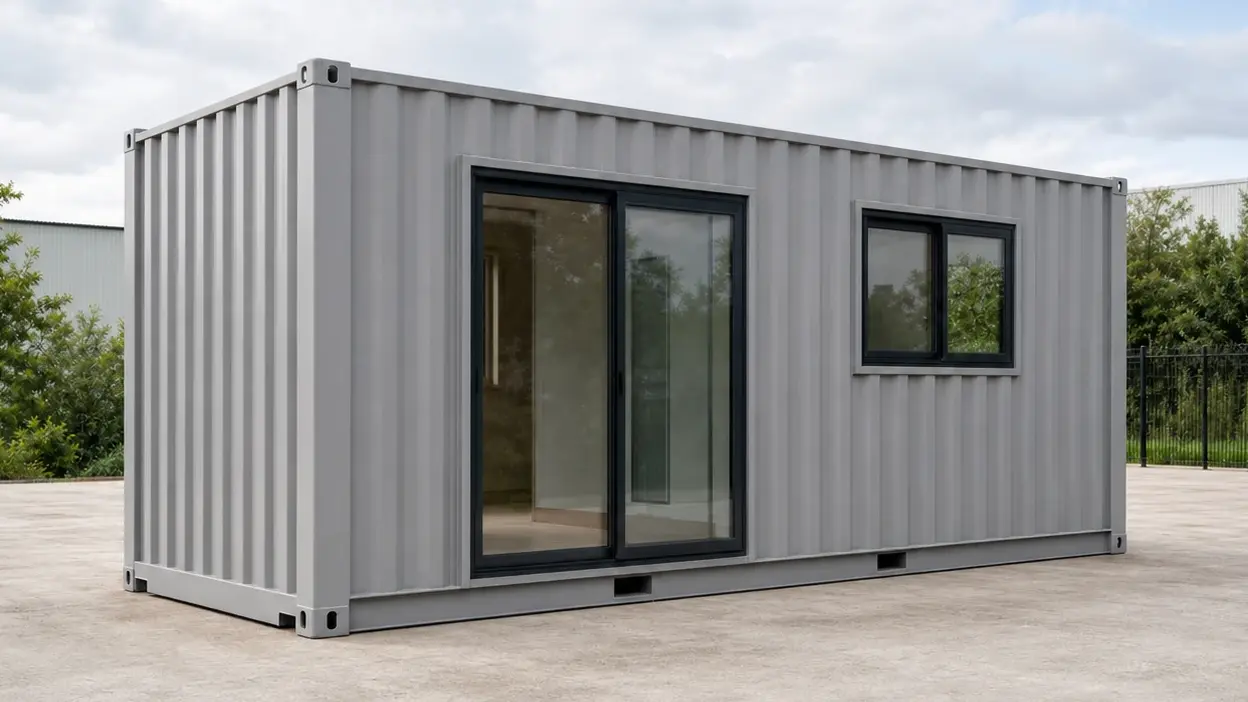
Condensation in container homes forms when a surface is colder than the dew point of the air touching it. Controlling it requires attention to the moisture source, the temperature of vulnerable surfaces and the paths that humid air takes through the building. Water on a window or ceiling also deserves a check for rainwater entry or plumbing leakage before work begins.
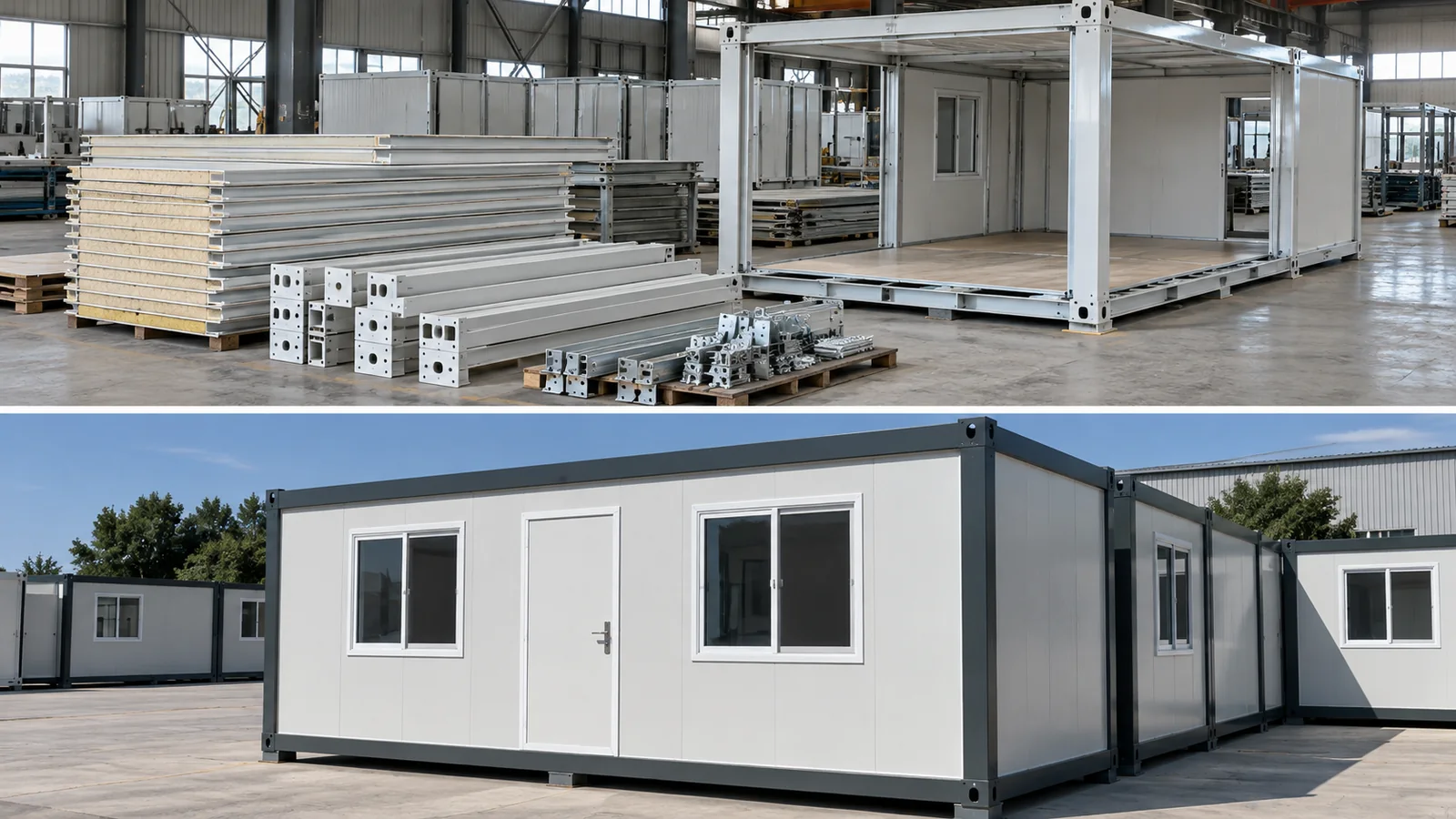
Lumin Mod supplies steel-frame container housing with options for walls, roofs, floors, doors and windows. Whether you use a purpose-built module or a converted freight container, the actual enclosure details matter: an insulated panel can still meet a cold frame or a leaky joint. The following checks help identify what is happening and choose a response suited to the climate and occupancy.
Why Does Condensation Form in Container Homes?
Surface Condensation and Moisture Inside the Enclosure
The dew point is the temperature at which air becomes saturated as it cools without losing moisture. When air contacts a surface below that dew point, water vapor can condense into liquid water. A window, metal connection or wall corner can therefore become wet while other parts of the room remain dry.
Relative humidity describes the air at its measured temperature. A reading taken in the center of a room does not establish whether the coldest surface is above the dew point. Useful observations combine indoor air temperature and relative humidity with the temperature of the affected surface, recorded at approximately the same time.
Surface condensation is visible on glazing, frames or interior finishes. Moisture can also accumulate behind linings or within an enclosure when humid air reaches a layer below its dew point. A dry-looking interior surface does not establish that the layers behind it are dry.
Cold Steel Connections and Indoor Moisture Loads
Steel conducts heat readily. In cold weather, a steel connection that passes through or around insulation can create a colder interior location than the surrounding insulated panel. This path is a thermal bridge. Its effect depends on the connection geometry, insulation arrangement and temperatures on either side.
The moisture load matters just as much. Occupants, showers, cooking and indoor clothes drying add water vapor. Repeated wet activities in a small, closed room can raise its dew point. A connection that remained dry during light occupancy may then show condensation without any change to the wall material.
Is the Water Condensation, Rainwater Entry or a Plumbing Leak?
Start with the timing and pattern of the water. Compare when it appears with rainfall, plumbing use, room occupancy and heating or cooling operation. These observations narrow the investigation; they do not prove a single cause.
| Observed pattern | Possible cause | What to check | Limit of the observation |
|---|---|---|---|
| Droplets on several windows, frames or corners during cold mornings or after wet activities | Surface condensation | Air temperature, relative humidity, local surface temperature and moisture sources | Visible droplets do not rule out another moisture source elsewhere. |
| A localized ceiling or wall patch repeatedly becomes wet after rain | Rainwater entering through a roof detail, joint or opening | The rainfall pattern and nearby exterior drainage, joints and openings | Water can travel before it becomes visible; the stain may be away from the entry point. |
| Dampness near a pipe or fitting appears during or after water use | A plumbing leak or condensation on a cold pipe | Connections, pipe surface temperature and whether moisture forms around the pipe or emerges at a joint | Timing alone cannot distinguish a small leak from condensation. |
| Dampness persists behind a lining or repeatedly returns after surface drying | Concealed moisture accumulation or an unresolved liquid-water source | The enclosure layers, nearby services and possible water or air paths | A room humidity reading cannot locate the concealed source. |
Photograph the affected area and note the weather, time and recent activity before wiping it dry. Where readings are available, compare the surface temperature with the dew point calculated from air temperature and relative humidity at that time. A surface below the dew point supports a condensation explanation.
A warmer reading later in the day cannot rule out condensation that occurred overnight. Likewise, a wet patch after rain warrants investigation even if indoor humidity is elevated. Roof leaks, plumbing faults and container home condensation can coexist, so keep checking when one explanation leaves part of the pattern unresolved.
How Do Insulation and Air Sealing Affect Condensation?
Check Continuity at Frames, Joints and Openings
Insulation slows heat transfer, helping interior surfaces stay warmer in cold weather. Its effectiveness across the building depends on continuity. Panel joints, frame connections, roof and floor edges, and door or window interfaces deserve attention because their construction differs from the middle of a panel.
The material descriptions for Lumin Mod container houses include a galvanized steel frame, sandwich wall panels, an insulated roof build-up, a layered floor and door-and-window options. These details provide a starting point for checking an enclosure. The panel core alone cannot establish the temperature of a frame connection or the condensation risk of the complete unit.
When reducing thermal bridging in container homes, review how insulation continues past the steel and around openings. Ask for the relevant junction detail rather than relying only on the nominal wall thickness. A window with an insulated frame still depends on how its perimeter connects to the wall.
Air sealing addresses unintended air movement through gaps. It can limit humid air reaching a cold layer, but it must be coordinated with the building's intended ventilation. Preserve designed air inlets and exhaust paths while investigating leakage at joints and penetrations. Tightening an enclosure without providing suitable moisture removal can leave more occupant-generated humidity indoors.
Review Vapor Control Before Adding Membranes
An air barrier limits air movement, while a vapor retarder limits water-vapor diffusion through materials. Some materials perform both roles, but their joints and connections determine how the system works. Rainwater control is another task, handled through suitable exterior details and drainage.
Before adding an internal lining or a low-permeance membrane, establish the existing layer sequence and where moisture can dry. A membrane arrangement used for a conventional framed wall should not automatically be applied to a sandwich panel with metal facings on both sides. Those facings, panel joints and roof or floor transitions change the enclosure's drying paths.
Where concealed dampness persists, review the complete assembly before covering it. The appropriate change depends on the climate, the direction of moisture movement and the materials already present.
How Should Moisture Control Change with Climate and Use?
Container home ventilation should address the moisture conditions of the place and the way the rooms are used. Outdoor air can help remove moisture when it has a lower moisture content than indoor air. In hot, humid weather, bringing in more outdoor air can instead add a substantial moisture load.
Cold Weather with Indoor Moisture Sources
For an occupied home in cold weather, start with showers, cooking and indoor drying. Check that intended kitchen and bathroom exhaust routes actually discharge outdoors and that the ventilation system has a suitable path for replacement air. A recirculating kitchen hood does not carry cooking moisture outside.
Moisture removal and surface temperature need attention together. Better ventilation can lower the indoor dew point, while effective insulation and suitable heating can help keep vulnerable surfaces warmer. Heating alone does not remove the water vapor already in the air. A persistently cold frame may therefore still require an enclosure assessment.
Hot, Humid Weather with Air Conditioning
In a cooled home, humid outdoor air may encounter surfaces chilled by air conditioning. Check unintended air entry as well as the planned fresh-air supply. Opening windows while cooling can increase the moisture load when the outdoor air has a higher moisture content.
Cooling and dehumidification are related functions, but a comfortable room temperature does not prove adequate moisture removal. During periods with little cooling demand, an air conditioner may run too briefly to manage ongoing moisture loads. Review its operation and moisture-removal capability; separate dehumidification may be appropriate when the load remains high.
Compare indoor and outdoor dew points or moisture content when assessing whether ventilation will dry the room. Relative humidity percentages alone can mislead because they depend on temperature. Lowering the thermostat without lowering the dew point can also make cooled surfaces more vulnerable to condensation.
| Operating condition | Moisture challenge | Control to consider | Confirm first |
|---|---|---|---|
| Cold weather with regular showers and cooking | Indoor moisture meeting cold windows, frames or enclosure layers | Source exhaust, suitable ventilation and attention to cold junctions | Exhaust destination, replacement-air provision and local surface temperatures |
| Hot, humid weather with indoor cooling | Outdoor and occupant-generated moisture entering a cooled interior | Control air leakage and coordinate fresh air with cooling and dehumidification | Outdoor moisture conditions, equipment operation and ongoing indoor moisture loads |
| Intermittent occupation or long periods with equipment switched off | Moisture conditions changing between occupied and unoccupied periods | A control schedule suited to the local climate and actual use | Conditions during the unoccupied period, not just after the room has been conditioned |
How to Choose the Next Step for Your Container Home
For an Existing Home
Choose the first action from the observed cause and conditions. A roof leak needs its entry path addressed; recurring droplets on several cold surfaces call for a closer look at humidity and surface temperatures.
- Document the pattern. Record the location, time, weather, recent water use and heating or cooling status. Include temperature and humidity readings where available.
- Check liquid-water sources. Investigate rain-related wetting and plumbing before attributing all dampness to condensation.
- Match the action to the mechanism. Address identified moisture sources, ventilation or equipment operation, and have persistent cold spots or concealed dampness assessed as appropriate.
- Recheck under comparable conditions. Compare results during similar weather and occupancy. A dry surface on a warmer or less humid day does not establish that the original problem has been resolved.
For a New Module or Retrofit
Review the planned wall, roof and floor assemblies together with the frame connections, openings and ventilation arrangements. Provide the destination climate, expected occupancy, cooking and bathing patterns, and whether the home will be heated or cooled continuously or intermittently.
Lumin Mod's container integrated house configurations include accommodation layouts and options for bathrooms, kitchens, doors, windows and interior finishes. Use the selected layout to discuss where moisture will be generated and how it will leave the rooms. Request the relevant enclosure and connection details alongside the finish choices.
Effective condensation control brings the moisture source, surface temperatures and air paths into the same investigation. To review a housing configuration, discuss your enclosure and ventilation requirements with Lumin Mod. Include the site climate, occupancy and heating or cooling schedule, plus the location and timing of any existing wetting.
Popular Categories
Latest Article
2026-10-21 15:40
2026-10-15 17:07