
2026-09-11 14:33:27
A china best container houses wholesale search should be converted into verifiable buying criteria before suppliers are compared. Buyers should send the intended application, site environment, house type, layout, dimensions, insulation and wall system requirements, utility package, interior fit-out level, quantity, project phase, packaging, delivery destination and documentation expectations. The word “best” is not a technical specification. A container house quotation becomes comparable only when every supplier is pricing the same building type, supplied scope, installation boundary and evidence package.
Define the Container House Type Before Asking for Wholesale Price
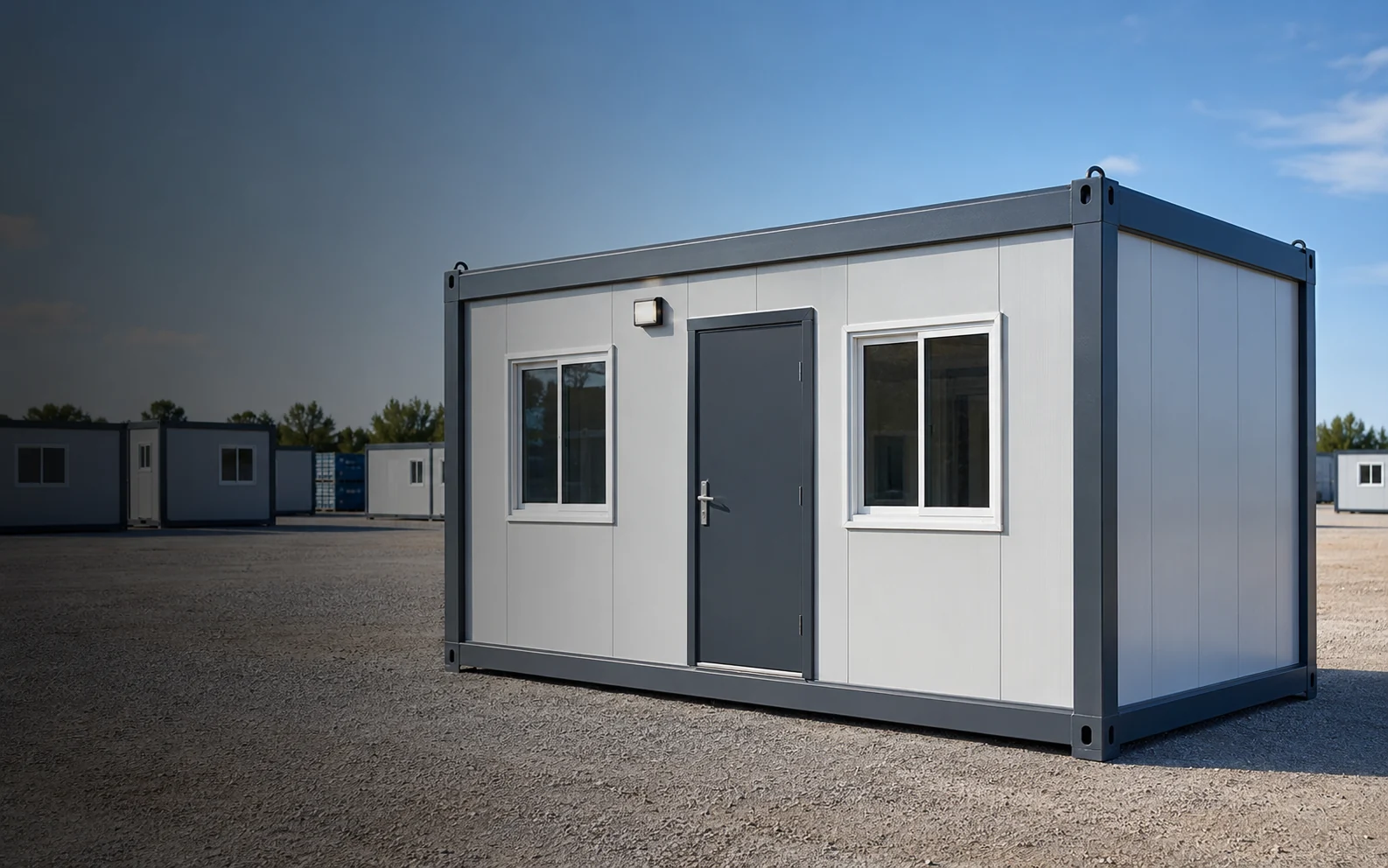
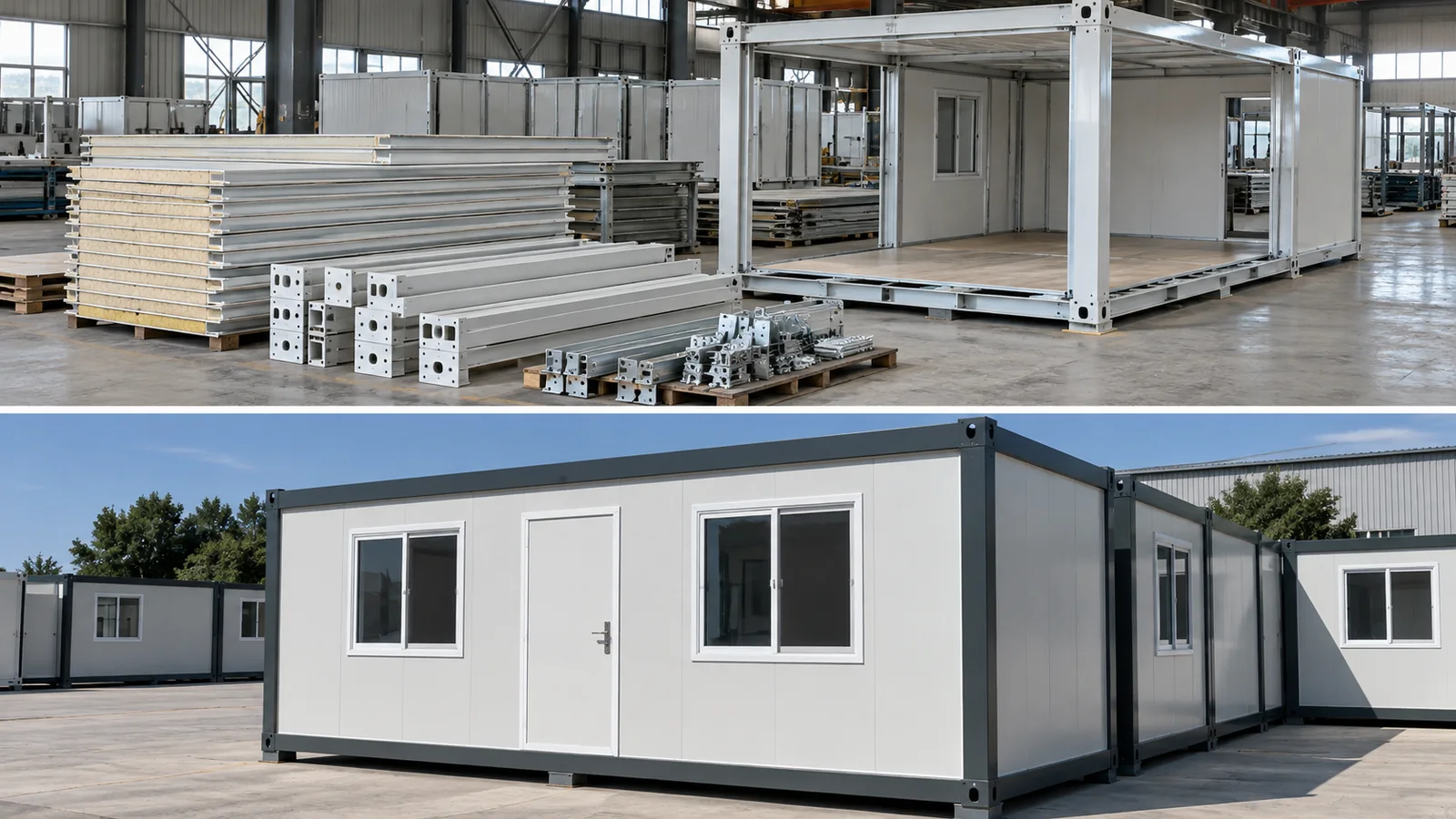
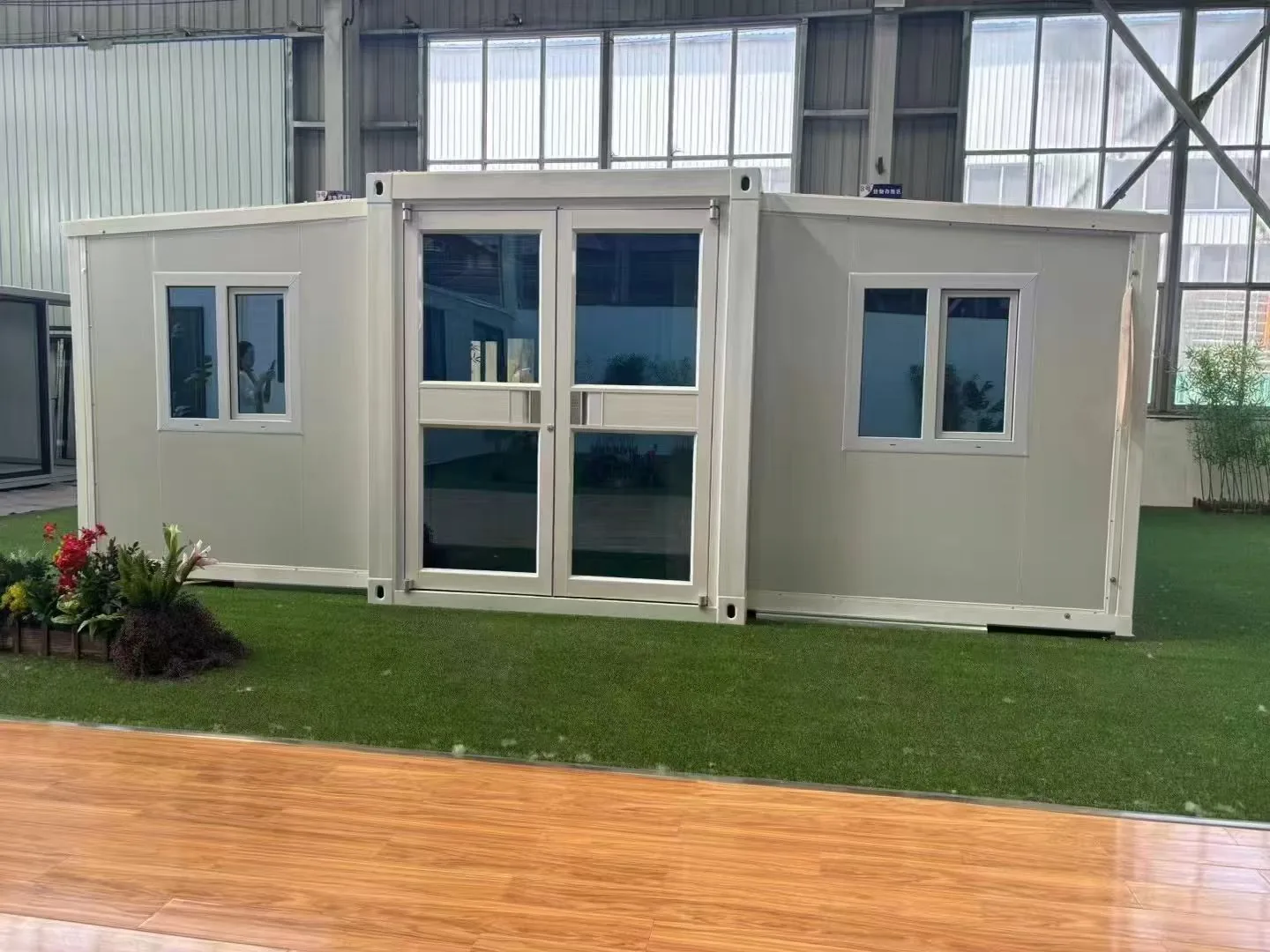
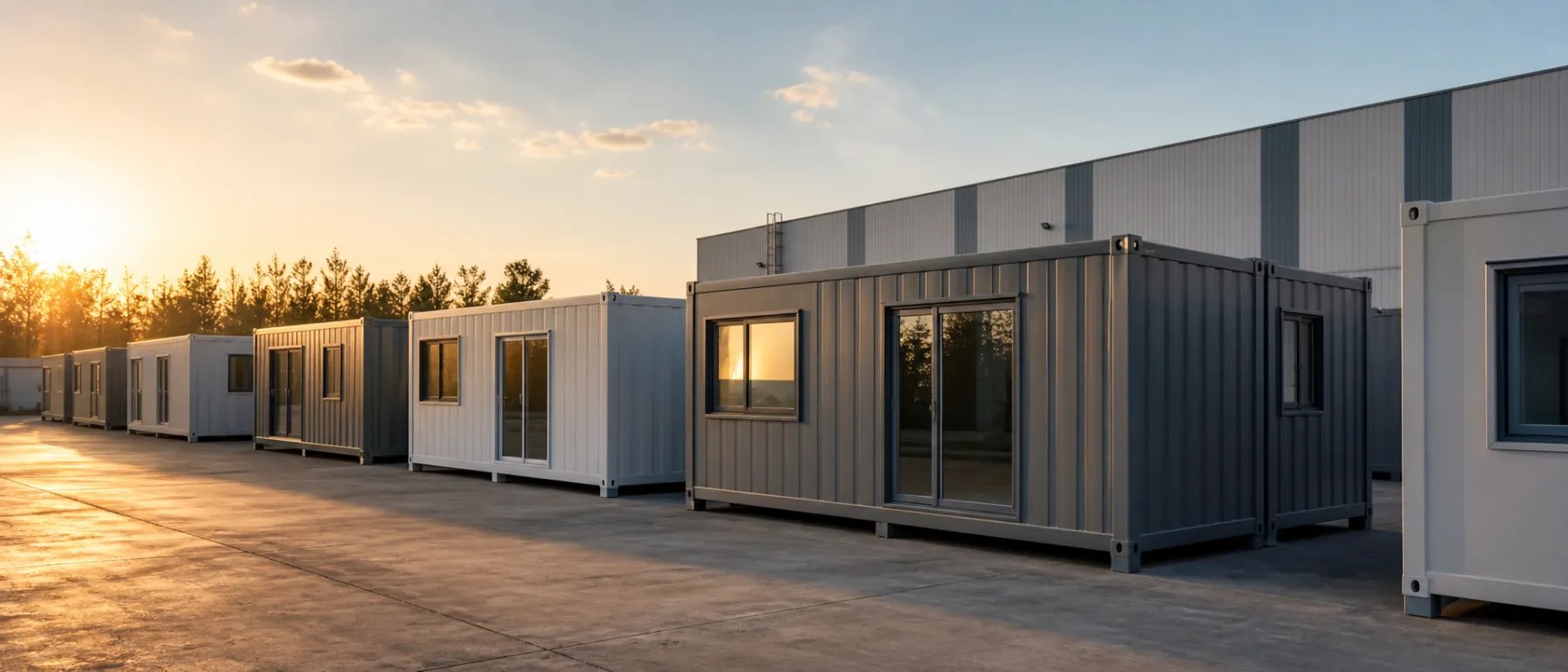
Container houses can refer to several modular building formats. Some buyers mean fixed containerized prefab houses. Others are searching for expandable houses, folding houses, quick-mount prefabricated houses or accommodation units built around container-style transport. These product types can differ in structure, installation time, transport efficiency, interior layout and site work.
The RFQ should therefore begin by naming the required product family. If the buyer needs a containerized unit for worker accommodation, that is different from a double-wing expandable resort cabin or a folding house for temporary relocation. A supplier may offer several modular housing types, but each quotation must identify which type is being priced.
Lumin Mod’s product structure includes several modular building categories. For this topic, the relevant product discovery path is Containerized Prefabricated Houses, while the target product page is Container Houses. The buyer should use those pages as product references, not as replacements for a project-specific RFQ.
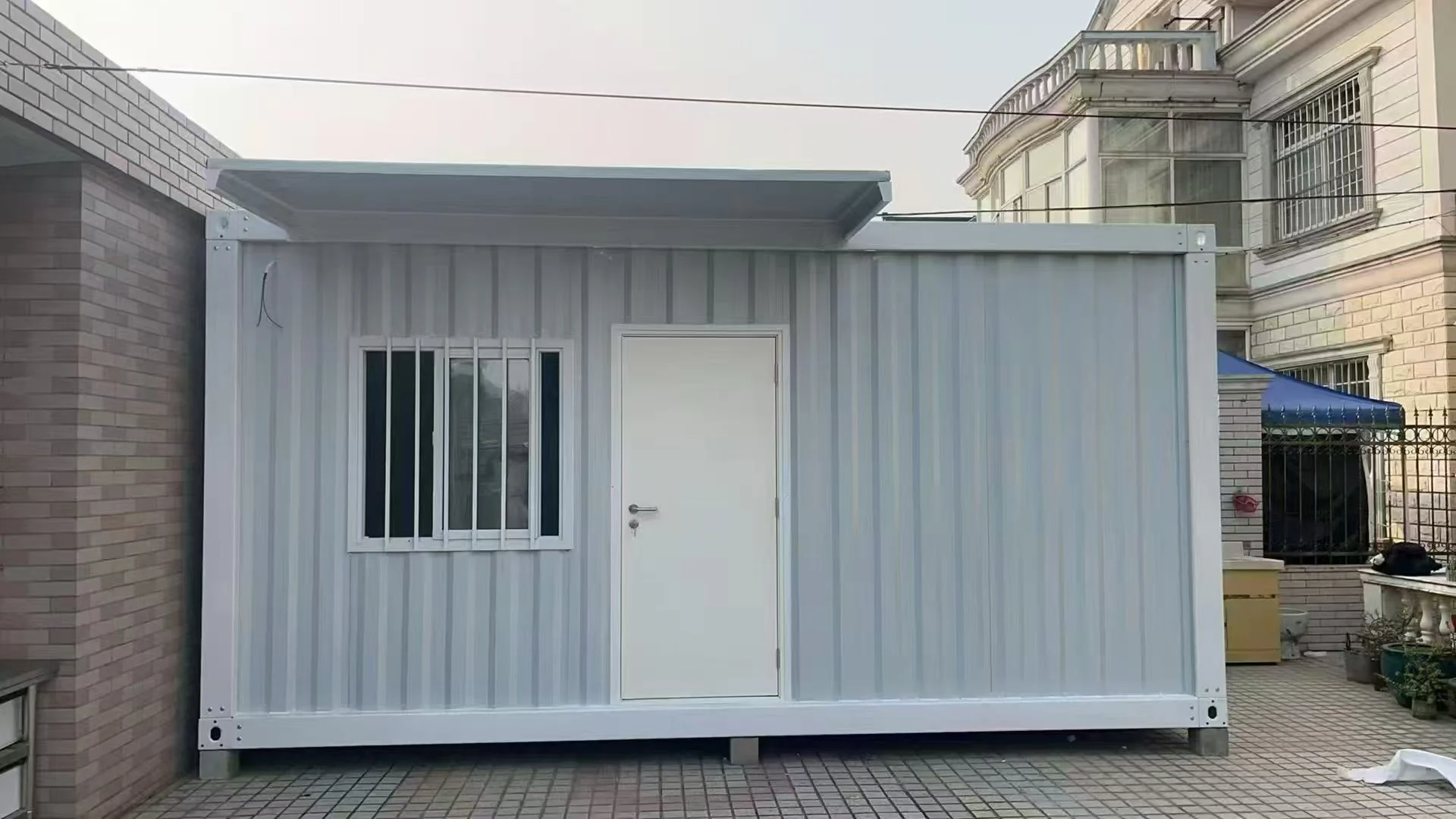
Application Determines the Layout and Supplied Scope
A container house for a construction camp is not specified the same way as one for a site office, resort cabin, emergency housing project or commercial rental unit. The application decides room size, occupancy, interior finish, bathroom requirements, electrical layout, HVAC preparation, furniture, durability expectations and installation sequence.
For worker camps, buyers may focus on repeatable room modules, bed count, sanitation, storage, cleaning and fast installation. For site offices, desk layout, meeting space, lighting, electrical outlets and cable routing may matter more. For resorts or commercial accommodation, interior finish, exterior appearance, window placement, privacy and guest comfort become part of the quotation. Emergency housing may prioritize rapid deployment, standardized units and basic utility connection.
A good RFQ describes the operating scenario, not just the desired unit. It should explain who will use the building, for how long, in what environment, with what utilities, and under what local approval conditions. Those inputs allow the supplier to recommend the correct container house configuration rather than simply quote a catalogue unit.
Layout, Dimensions and Occupancy Should Be Confirmed With Drawings
The most important evidence for a container house order is the layout drawing. The buyer should provide or request a floor plan showing bedrooms, office rooms, bathroom, kitchen, corridor, doors, windows, furniture zones and service routes. Overall dimensions alone do not prove that the building fits the use case.
Occupancy drives layout. A dormitory-style unit, a family unit, a two-room office and a retail sales cabin can share an external container form but require different internal partitioning. If the buyer does not define occupancy, suppliers may quote different room counts, furniture assumptions and utility packages.
Dimension checks should include transport size, installed size, internal room dimensions, ceiling height if required by the project, door/window positions and any connection between multiple units. When several units form a camp or office complex, the buyer should also provide the site arrangement, access routes, walkways and utility distribution plan.
Without drawings, a wholesale quotation may look complete but still omit the details that determine usability on site.
Structure, Insulation and Climate Requirements Need Project Evidence
Container houses are installed in real environments, so structural and envelope requirements must be linked to the destination site. Buyers should confirm climate, temperature range, wind exposure, rain, humidity, corrosion conditions, snow load if relevant, acoustic requirement and expected service duration. These factors influence the wall/roof system, insulation choice, doors and windows, sealing details and project documents.
Do not assume that one standard container house is suitable for every country or climate. Local requirements can change the building envelope, structural review, foundation design, fire-related documents, energy considerations and installation approval. If the buyer needs specific performance evidence, the RFQ must request documents for the exact configuration and destination requirement.
The article should not claim that a supplier meets a particular standard unless the client data verifies it. Instead, the procurement path should ask the supplier to confirm what documentation is available and what remains the buyer’s responsibility under local rules.
| Project Condition | Why It Matters | Evidence to Request |
|---|---|---|
| Climate and exposure | Changes insulation, sealing, roof and exterior finish requirements | Configuration sheet and material/envelope description |
| Occupancy | Determines room layout, sanitary scope, ventilation and interior fit-out | Floor plan, room schedule and inclusion list |
| Site foundation | Affects installation method, leveling and long-term use | Foundation guidance or project-specific interface drawing |
| Utilities | Controls electrical, water, drainage and HVAC responsibilities | Utility scope list and connection boundary |
| Local approval | May require drawings, calculations, fire or material documents | Model-specific documentation and deviation list |
This table helps buyers replace broad “best container house” claims with verifiable project conditions.
Utility and Interior Packages Must Be Listed Line by Line
Many quotation disputes come from unclear interior and utility scope. One supplier may quote only the container house shell. Another may include wiring, lighting, bathroom, plumbing, flooring, wall finish and furniture. A third may include HVAC preparation but not the equipment itself. These offers should not be compared as if they were the same product.
The RFQ should separate the building into scope layers:
- main structure and wall/roof/floor system;
- doors, windows and exterior finish;
- internal partitions and ceiling;
- electrical wiring, lighting, sockets and distribution box;
- water supply, drainage and bathroom package;
- kitchen or pantry package if required;
- HVAC preparation or HVAC equipment;
- flooring, cabinets, beds, desks and other furniture;
- stairs, corridor, canopy or multi-unit connection items;
- installation accessories and site-supplied items.
Each item should be marked as included, optional or excluded. That structure is especially important for wholesale buyers and distributors because they may resell the same product under different package levels. A base unit and a fully fitted accommodation unit should have different quotations and different product descriptions.
Quantity Context Changes Packing, Delivery and Supplier Support
Wholesale ordering is not only about buying more units. The buyer should explain whether the project is a sample order, a pilot installation, a camp phase, a resort development, a dealer stock order or a repeat supply program. Quantity context affects drawings, packaging, loading plan, spare parts, documentation and after-sales expectations.
For one sample unit, the buyer may need a detailed inspection and installation review before approving a larger order. For a camp project, the supplier may need to coordinate several room types and delivery phases. For a distributor, the packaging, manuals, product naming and consistent configuration may matter as much as unit design.
The RFQ should provide quantity by model and configuration, not only total units. If the order includes dormitory units, bathroom units, office units and kitchen units, list each separately. Mixed container house orders should not be averaged into one price without a model schedule.
Logistics should also be part of the quotation. Buyers should ask how units are packed, how they are loaded, whether they ship as folded/flat-packed/assembled modules, and what unloading equipment is assumed at destination. A low unit price may not remain low if packing, loading or site handling is incomplete.
Supplier Evidence Should Be Checked Before Shortlisting
When buyers search for container houses wholesale, they often shortlist suppliers based on catalogue appearance. For project procurement, stronger evidence is needed. The supplier should connect product claims to the quoted configuration.
| RFQ Area | Buyer Should Provide | Supplier Should Return |
|---|---|---|
| Application | Camp, office, resort, emergency or commercial use | Recommended container house configuration and application boundary |
| Layout | Room count, occupancy, furniture and utility needs | Floor plan, dimensions and inclusion list |
| Envelope | Climate, insulation, doors/windows and exterior requirement | Wall/roof/floor configuration and available documents |
| Utilities | Electrical, plumbing, HVAC and sanitary requirements | Included utilities, optional items and site connection boundary |
| Commercial scope | Quantity by model, phase and destination | Packing, loading, delivery basis and deviations |
| Approval | Local documents or inspection expectations | Model-specific drawings, manuals and evidence available |
Each supplier response should identify assumptions and missing buyer inputs. A supplier that cannot define the offered configuration may still be able to sell a container house, but the buyer cannot fairly compare the quotation.
Packaging and Export Loading Affect Project Delivery
Container houses are large modular products, so packaging and loading are part of project execution. Buyers should ask whether the quoted house is delivered assembled, folded, flat-packed or containerized, and how many units or components are included per shipment if that information is available for the project.
Protective packaging should match the supplied condition. Finished interiors may need protection for wall panels, flooring, windows, doors, sanitary fixtures and cabinets. Bare structures may need different corrosion and edge protection. If the buyer expects export-ready packing, project labels, installation documents and accessory cartons, these items should appear in the quotation.
Receiving inspection should be planned as well. Each shipment should identify model, quantity, package contents and accessories. If multiple unit types are delivered together, the buyer should be able to separate rooms, bathrooms, corridors, parts and installation fittings without confusion.
This is not a minor administrative detail. Packaging errors can delay installation, especially on remote project sites where missing accessories are difficult to replace.
How Should Buyers Review the Container Houses Page?
The Container Houses page should be used as the target product reference for this wholesale RFQ topic. It connects the inquiry to Lumin Mod’s container house product direction, while the buyer still needs to provide project-specific drawings, site conditions, interior scope, quantity and documentation requirements.
The page should not be read as a universal proof that every wholesale container house configuration is available or suitable. If the buyer needs a specific layout, climate package, local approval document, fire-related evidence, insulation value, utility setup, off-grid system or luxury interior, those requirements must be stated and confirmed for the exact project.
This distinction keeps the procurement decision factual. The website establishes the product category and target page; the RFQ establishes the configuration that will be priced and delivered.
What Makes Container House Quotations Non-Comparable?
Quotations become difficult to compare when suppliers price different buildings under the same search phrase. Common gaps include:
- container house type is not defined;
- application and occupancy are missing;
- floor plan is not supplied or approved;
- interior package is described only as “standard” or “luxury”;
- utility responsibilities are unclear;
- insulation, doors, windows and climate requirements are not connected to the destination;
- foundation and site installation assumptions are missing;
- documents and local approval evidence are not linked to the model;
- packing and loading scope is excluded by one supplier but included by another;
- mixed-unit orders are quoted without model-by-model quantities.
The buyer should normalize these details before discussing price. Otherwise, the supplier with the lowest number may simply be quoting the least complete package.
When Should the Buyer Choose Another Product Category?
A fixed container house may not be the best fit when the project needs rapid expansion on site, frequent relocation, compact transport, a resort-style capsule cabin or a quick-mount structure for larger project layouts. In those cases, double-wing expandable houses, folding prefabricated houses, space capsule houses or quick-mount prefabricated houses may need to be reviewed.
The decision also changes if the project requires multi-unit stacking, permanent building approval, unusual climate design, high-end resort appearance or off-grid operation. Those conditions require a different technical review and should not be hidden inside a generic wholesale container house request.
Using the right product category protects both buyer and supplier. It prevents the RFQ from forcing one container house page to answer every modular building requirement.
Build the Final RFQ Around Comparable Scope
A complete China container houses wholesale RFQ should include:
- product type: containerized, expandable, folding, quick-mount or other modular house;
- project application and occupancy;
- floor plan, room count and furniture requirements;
- overall dimensions and installed layout;
- wall, roof, floor, insulation and door/window requirements;
- interior finish level and included fixtures;
- electrical, plumbing, bathroom, kitchen and HVAC scope;
- site foundation, access and installation assumptions;
- climate, corrosion and destination environment;
- local approval or documentation requirements;
- quantity by model and project phase;
- packing, loading and shipping requirements;
- sample, drawing or mock-up approval needs;
- supplier deviations, exclusions and buyer inputs still required.
Ask suppliers to return the offer as Confirmed Product Type / Layout Drawing / Included Package / Utility Boundary / Packing Scope / Documentation Scope / Deviation / Buyer Input Required. Once the scope is aligned, buyers can send the project through Lumin Mod’s contact page with a wholesale container house RFQ that supports real supplier comparison.